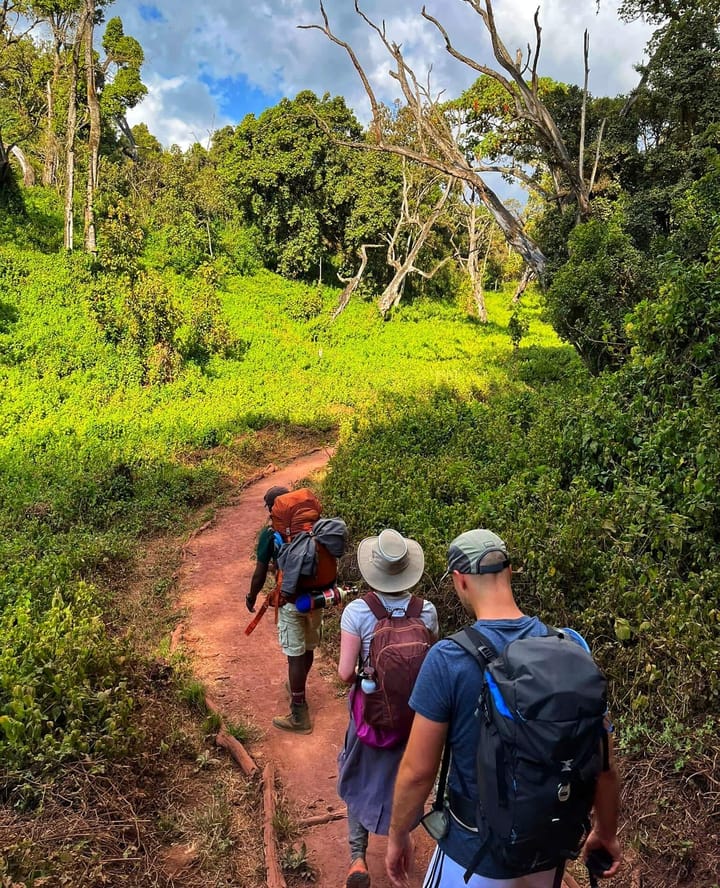
Ideally? You'll give yourself way more advance notice than I did. 😅
I had the idea for my adult gap year in November. By the turn of the new year, I decided to go for it. Within three months, I moved out of my apartment in New York City. Three months after that, I wrapped up my work projects, and left the U.S.
Seven months is not that much time to dismantle your life for a trip around the world. But my lease was up for renewal, which fast-tracked my timeline.

 Clara Ritger
A funny and resource-laden post about how I moved out of New York City, and how you can learn from my mistakes.
The good news? You can spend years planning for a gap year while you save money – or you can pull it together in a matter of months. Here's how.
1: Decide that you want to take a gap year – and why.
One of the reasons that I wanted to take an adult gap year was because I liked who I was on my annual vacation, and I returned home feeling more "me." I was full of creative inspiration and gratitude for life. I wanted more of that.
But deciding to take a gap year is the easy part. The "why" is tricky. "I can't take it anymore!" or "This is not working!" isn't enough of a "why." Why? Because the troubles that plague you now will simply follow you on the road. Gallivanting around the world for a year is fun and all... but you're going to be right back where you started if you return home without having learned anything in the process.
1. What about your current life is not working?
2. What do you hope to get out of your gap year?
3. Where would you like to be a year from now?
Giving your gap year some structure and intention will help you successfully navigate the big life transformation that you're hoping will happen by taking a break from daily living.
Having a strong "why" will also help you overcome the self-doubt, and the external pressure as people question your choice and deem it "irresponsible."
For me, my "why" was living. I had just gone through yet another surgery. After years of striving, pushing, and surviving on autopilot, I wanted to reclaim my life. I needed to heal, explore, and figure out who I was outside of my job title and city.
 Clara Ritger
Before you can plan one, you have to know you're ready — I wrote about how I knew it was time for an adult gap year here.
Maybe you:
- want to take a break in between jobs
- want to change careers, but you don't know yet what you want to do
- want to back to school, and take time off before diving in
- want a (long) rest and reset, after feeling burned out
- want to see the world, and not wait until retirement to do so
- want to accomplish personal goals, like writing a book or hiking the PCT
Taking a gap year is about giving yourself the space to live your life – and figure out what a life well lived looks like to you.

2: "Gap Years" are commonly associated with travel. That doesn't mean yours has to include time abroad.
Plenty of people take gap years to focus on writing a book or training for a marathon or Ironman. If you fall into the burnout category, I don't recommend jumping straight into one of these pursuits. While travel could be rejuvenating, certain travel styles can look like another thing "to do." You might benefit from spending time simply enjoying the place where you currently live and – dare I say – getting bored. If you're taking a full year off, you could even do a mix of relaxing and resetting at home, traveling, and working on a creative project or personal goal.
It was only after I had overcome my health issues and burnout that I could even consider writing a book. And that didn't happen until at least nine months into my break.

3: Figure out how long you will travel for – and get real with yourself about your finances.
"I'm going to travel for three months because I got a new job and my non-compete means I can't start for another 90 days."
"I'm going to take a year off before I start school next fall."
"I'm going to travel until the money runs out."
All three of these are valid gap year durations that I've heard uttered from friends. Yours might fall somewhere in between. "I'm unhappy in my current job and I don't really know what I want to do with my life – but I'm giving myself exactly one year to figure it out."
As for me, I had been struggling with illness for so long, "I want to see the world before I die" turned into "I'm going to travel until I heal or until the money runs out – whichever comes first."
 Clara Ritger
Come along on the journey of my adult gap year when you start with this post about my first day.
The "indefinite" approach meant that I had to get really real about my finances and how I would travel to ensure I didn't run out of money before I was ready to transition back into work.
Set a realistic budget for how much money you will spend each month while traveling. As this newsletter title suggests, I traveled on $100/day, or $3000/month. I did this over a 15-month period from 2022-2023; if I were planning a gap year now, my budget might be slightly more due to the rising cost of, well, everything.
I had to be really strategic about money to stay within budget. $100/day might sound like a lot at first, but when you factor in flights, health/travel insurance, and the cost of tours, which often range from the hundreds to the thousands of dollars, it's really not that much. What it actually looked like in practice was spending $25 one day to spend $200 the next.
You could travel in some parts of the world – like southeast Asia – on $50/day, if you (a) traveled slowly, like one country/month with the cost of only one regional flight to get there and (b) if you had no tours and did everything on your own. But if you want to do tours, $100/day is honestly the minimum these days for traveling – even backpacking.
My recommendation? Add 10-15% to your budget in the chance that you go over. Better to have more money set aside than less; better to be able to say yes to once-in-a-lifetime experiences than no.
Once you've got a budget, if you don't have that money saved yet, that's going to be your next step: saving the money to go. I recommend saving your trip budget + 3-6 months living expenses where you currently live if you will need time to look for a job when you return home. If you desperately need a gap year and you don't have anywhere close to this money saved, reconsider how much time you want to spend traveling and whether you're willing to go for a shorter amount of time in order to go now – or whether you're willing to run out of money and figure it out on the road.

This part seems scarier than it actually is – and this part is what stops most people from taking the leap. In reality, I'm never going to "run out of money." Here's a short list of all of the things that I could do before I run out of money on the road. I use this to reality check my (near-daily) fear.
- Volunteer at a meditation or yoga retreat center in exchange for food and accommodation. (Workaway, WWOOF and HelpX are great sites for opportunities like this.)
 Clara Ritger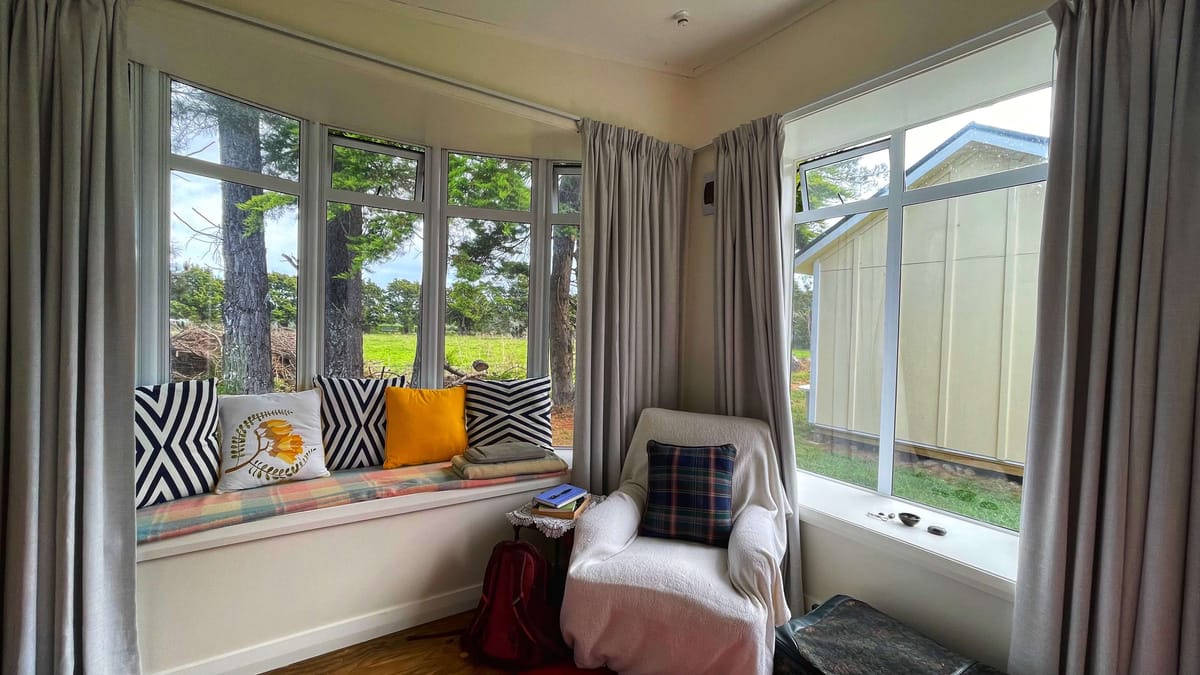
I wrote a whole post that will help you find retreat centers to volunteer at!
- Work at a hostel, restaurant, coffee shop – when you travel abroad, you'll find that these places are always hiring, particularly good English speakers, as other backpackers move in and out of these jobs.
- Teach English online or in-person.
- Make videos for local businesses' social media using my phone.
- Pet-sitting (for money).
Of course, there's a whole host of other things that I can do too, like creating an online consulting or digital products business, pitching articles to magazines and digital media outlets, applying for freelance work on Upwork and Fiverr, applying for jobs on LinkedIn... but the important list that quells the voice of fear is the bulleted list above, where I can generate near-instant income – no applications or wait time required.
 Clara Ritger
If you're thinking, "I could never afford to travel for that long," this list will change your mind.
If you want to go deeper on the finances — how to actually fund a gap year, which credit cards to get, how to avoid getting scammed abroad, and how to make $100/day stretch further than you'd think — that's exactly what my paid newsletter, 100 Dollars A Day, is for. Unlike every other travel resource on the internet, it's not subsidized by affiliate links or sponsorships. It's reader-supported, which means the advice is honest.
4: Consider if you want to return to your current job after your break. Talk to your employer about taking leave. Decide what's best for you depending on what they say.
You might be taking a gap year for reasons that have nothing to do with your career. Maybe you've had a death in the family, or a bad breakup, and you just need some personal time. Talk to your employer about your paid and unpaid leave options. Some employers do offer extended personal leave to employees as an alternative to parental leave.
If yours doesn't, ask about remote work. If that's a no too, you're going to have to decide what you need more: the job or the break.
"Both" is a valid answer, but you can always find another job after the break. And anyway... do you really want to return to a job that doesn't want to give you a break?

5: Decide where and when you will go. Book it.
You don't have to have the entire period figured out. You just need a starting point. The idea in January that "I am going to backpack Africa," had by March turned into: "I'm going to fly into South Africa and stay with a friend's parents to leave some things and get oriented, and then I'm going to fly up to Uganda and work my way back down to South Africa." I booked the flight; I left in June.
 Clara Ritger
The story of my flight out of U.S. and into the unknown.
My friends are motorcycling from Los Angeles down to Patagonia. In about four months' time, they will get themselves and their bikes to Los Angeles and then go.
That's it, that's all you really need to have figured out. A starting point, and a departure date.
And then book it.
Don't forget to apply for the tourist visa for your destination country if necessary.

6: Unravel your current life.
Here's the process:
- Tell your friends and family.
- Leave the relationship (unless the relationship is coming with you, or waiting for you, though in the latter case, be ready to confront the reality that you may grow apart).
- Schedule an appointment for a physical with your primary care doctor. Schedule any specialist check-ups you need. Schedule a visit to the dentist and ophthalmologist (if applicable). Schedule a visit to a travel doctor and get any vaccinations you'll need for wherever you're going.
- Make a plan for any ongoing prescriptions you will need while traveling.
- Change your health insurance to something that will work abroad. Get travel insurance too if you need it. Here are two posts I wrote that will guide you through both decisions:
 Clara Ritger
 Clara Ritger
- Make sure you have two credit cards and two debit cards that will work abroad. Apply for a new accounts if you need to. Let them know you'll be traveling abroad so that they don't shut down your card.
 Clara Ritger
Most bloggers promote travel credit cards with high annual fees because they make good money from the referrals. Here's how to know if they're actually right for you.
- Figure out what you will do about phone connection abroad.
 Clara Ritger
Likewise, most bloggers promote e-sims because they get kickbacks. Here's what I recommend instead.
- Update your passport and driver's license.
- Sign up for Global Entry. (Not necessary, but it probably comes with your new travel credit card, the one without foreign transaction fees.)
- Get a storage unit. Move out of your apartment or home; find a renter if the latter.
- Quit your job, or stop taking on new freelance projects.
- Figure out what you'll do with your mail.
- Re-home your plants (and pet, if applicable 😢).
- Cry. Ugly cry. Regret everything. Move forward anyway. It's okay to grieve the loss of your old life, even when you know you're doing the thing you need to do for you.

 Clara Ritger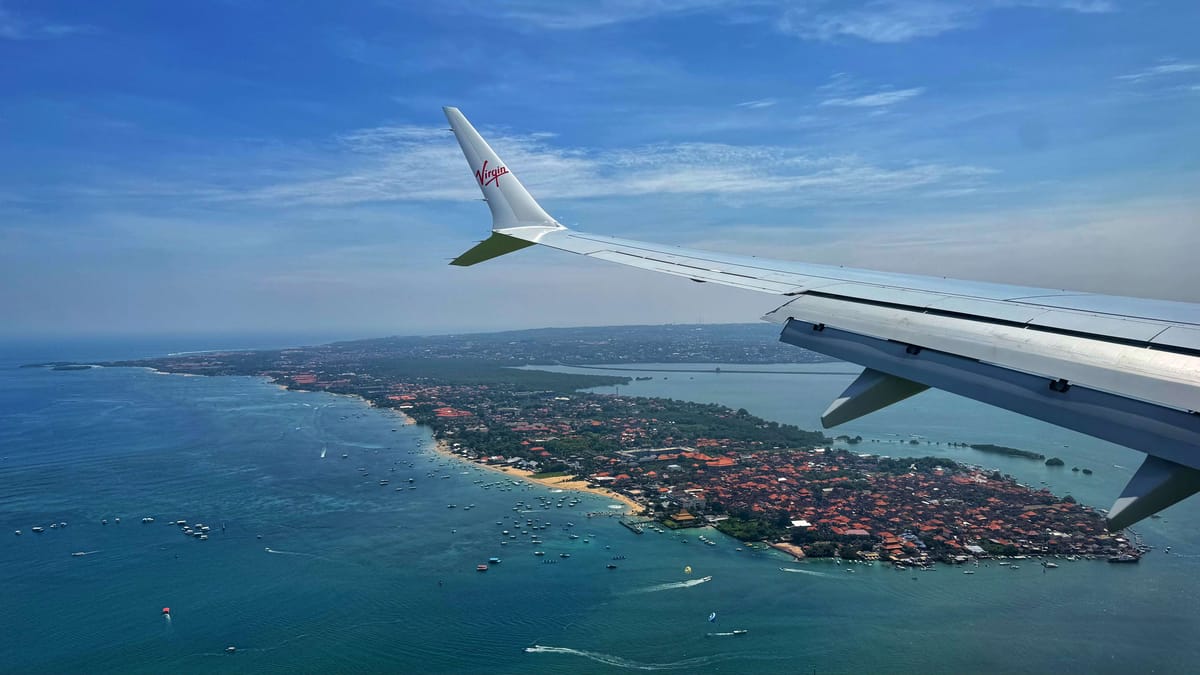
10 essential things to do before you leave your home country.
7: "Planning."
Are you so prepared that you even have time for this?! 😂
Let's be real here: other than deciding to backpack Africa, and making The Packing List to End All Packing Lists...
 Clara Ritger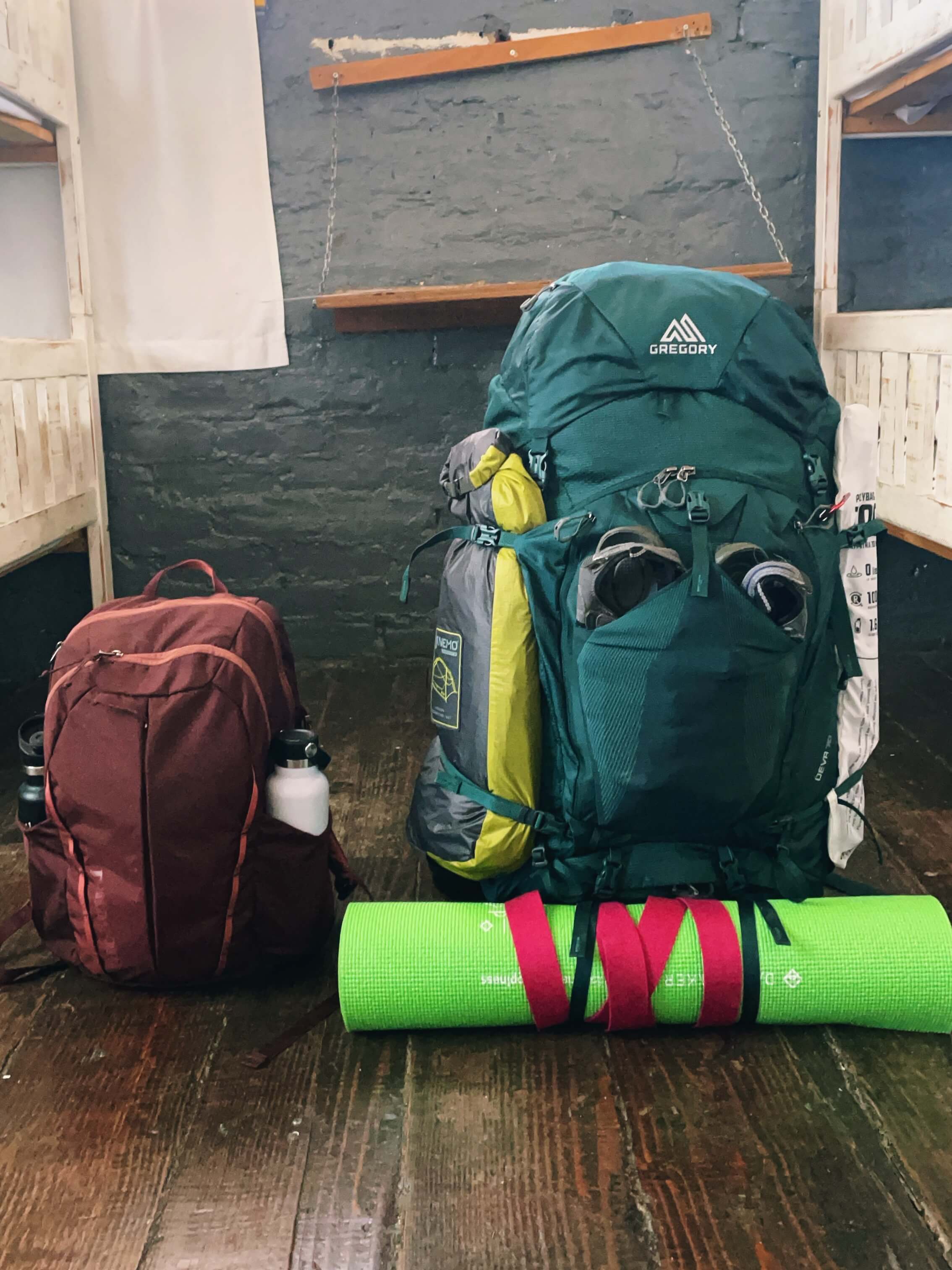
You literally don't need any other packing lists than this one.
I didn't do much in the way of planning. Unraveling your life takes time. I ran out of time. I made sure I had everything that I needed with me for any place I might be headed, and I got on that flight and left.
In hindsight, I wished I had slightly more planned for Africa. What you don't plan, you spend time figuring out along the way. I had a rough idea of the places I wanted to visit, but it would have helped if I had also had the names of a few places to stay, restaurants to eat at, and a general sense of how to get from place to place.
I wouldn't have wanted to lock-in anything though. The joy of the adult gap year is the freedom to choose how long to stay anywhere you go. You don't get that freedom on two weeks of vacation per year.
I backpacked Africa for five months; I expected to do it anywhere between 4-6 months, so obviously I knew that I would be traveling beyond Africa, and, as you can guess given that I barely had Africa planned, I had nothing past Africa planned at all.
Neither should you. Every month on the road will change you. Once you allow the journey to unfold, the next right choice will present itself.
If you're worried about surrendering to the lack of structure, here's one thing I did that I super recommend doing if you have time before you go: make a spreadsheet. List all of the places that you might possibly want to visit, what you would do there, what "seasons" are the best to go, and then organize your spreadsheet by what part of the world the destinations are in.
When you're not sure what to do or where to go next, but you know that you need to stay on the road, open the spreadsheet, and see what feels right or makes sense based on where you currently are and what season it is.
And then keep going.
8: Trust that everything will work out in the end.
It is totally normal to worry about what your life will look like after an extended break. What job will you get? Where will you live? What will happen with your relationships?
You aren't going to understand this until you go – but it doesn't matter how everything comes together when you re-integrate. The way you look at life will have changed; you will know how to find happiness and fulfillment no matter where you end up.

Taking an adult gap year changed my life more than I could have imagined. If you're thinking about it... you already owe it to yourself to try.
You don't need to "deserve" an adult gap year. You're allowed to want one. Your responsibility to life is to live it.
If you're planning your own adult gap year, retirement, or other long-term travel, leave a comment below and let me know what additional questions you have? I'm happy to answer or even update the post for future readers. ❤️