I arrived in Bali almost a year into my adult gap year. I had walked away from my life in the United States after a prolonged struggle with illness spurred me to see the world before I died. Then along the journey, I started to heal. Through the quiet of meditation and immersion in nature, I came back into the felt sense of living in a body of pain. My newfound awareness shaped how I moved through the world. And words started to come to me, an understanding that the transformation I was experiencing was bigger than me. I had the vision for my memoir before I had fully lived it – and I came to Bali ready to start writing it down.
That was not what "Mama Bali" had in store for me.
Somewhere between Eat Pray Love and my first contact in 2023, Bali had blossomed into a tourist hotspot, and an expat mecca. In fact I met more foreigners who were living in Bali long-term than I did tourists. I even rented a joglo from a fashion designer who spent summers selling at markets in Europe, and winters manufacturing in Bali.
Nearly all the locals in the area where I stayed spoke English. I could easily order scooter rides to go wherever I wanted on an app. My credit card was accepted most establishments.
Bali, to my surprise, was a modern metropolis.
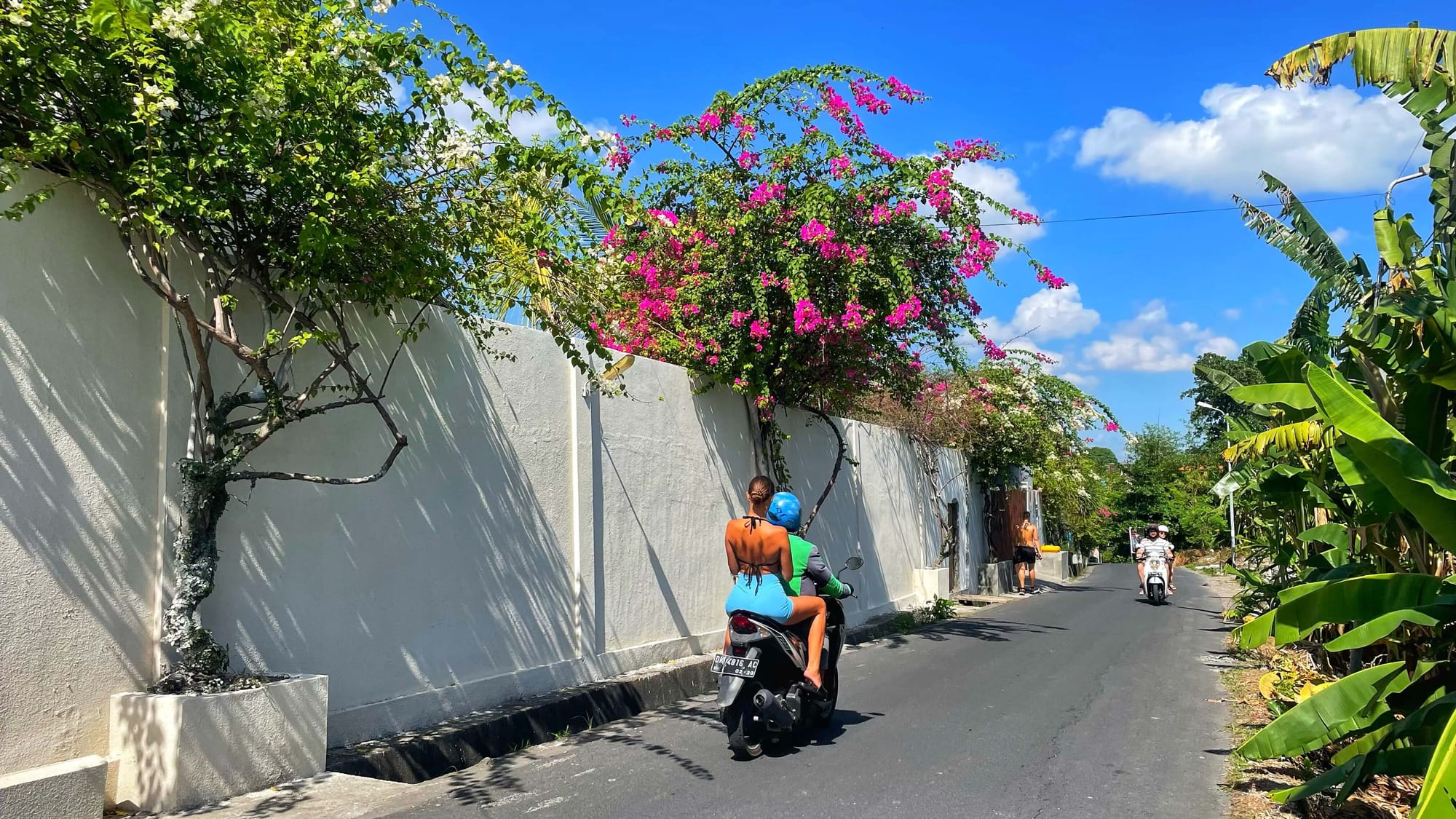
And it was absolutely not the quiet writer's retreat I had envisioned.
At the time, I was training for a marathon, so I joined a gym, and gym became my life. Yoga, pilates, running, strength, sauna, ice bath, recovery, repeat. Sound bowls and breathwork at night led to invitations to go out to dinner, and villa parties. I found sunrise run clubs and WhatsApp groups. A weekly women writer's meetup produced less tangible memoir writing and more creative exploration and connection. And – in true Mama Bali fashion – I was presented with opportunities to deepen my healing journey.
I thought I was going to Bali to write, but instead, I lived more of the story.
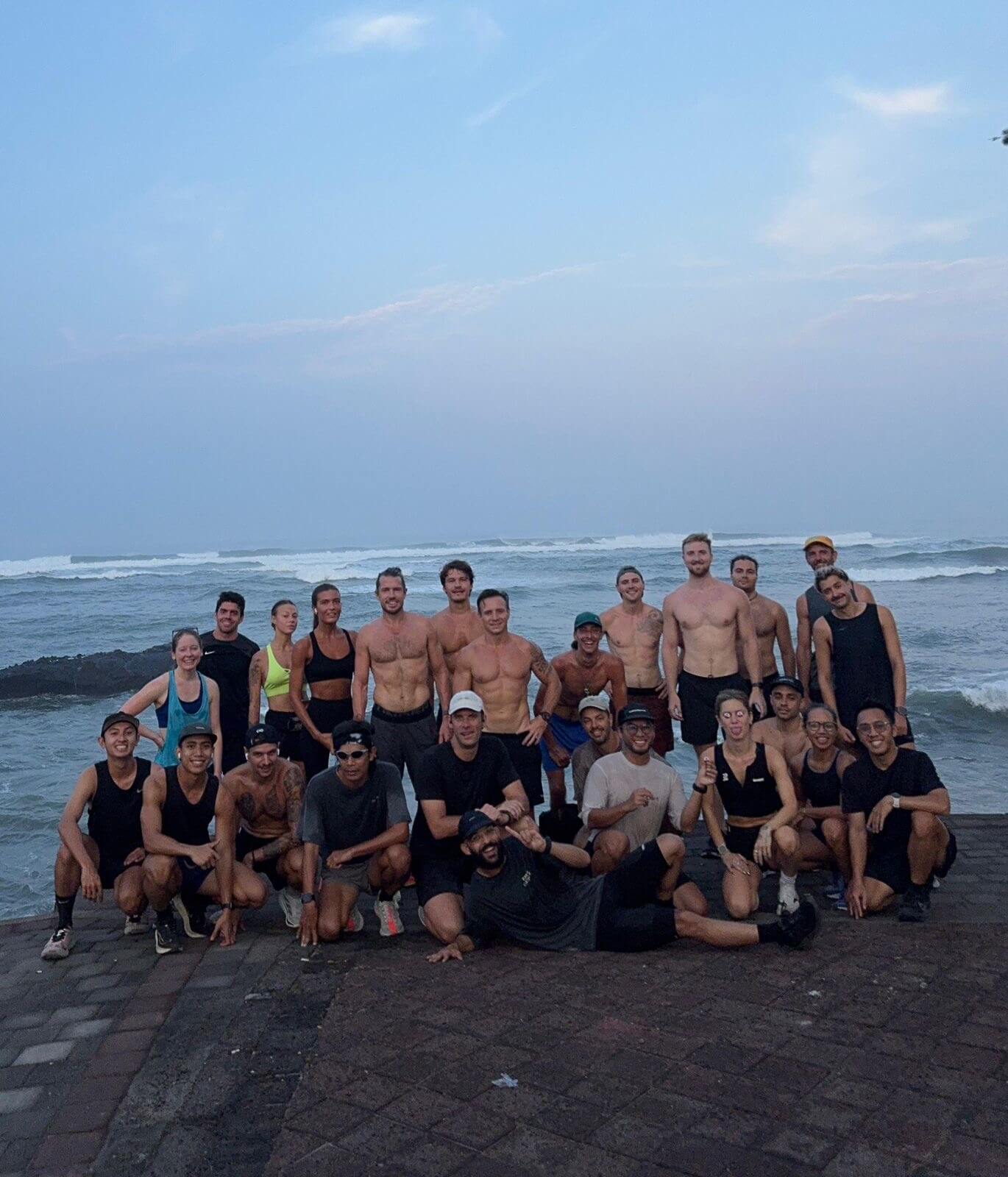
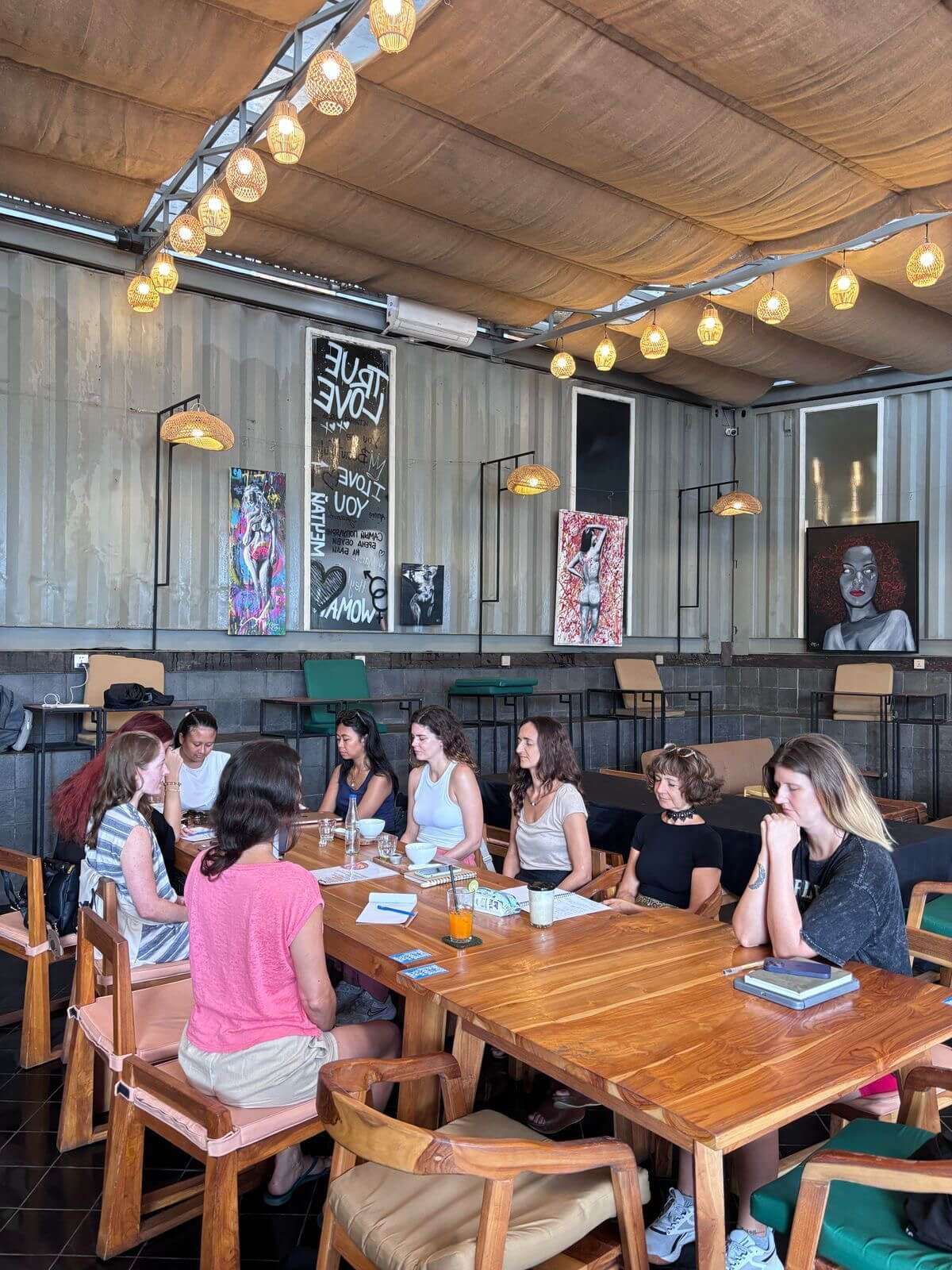

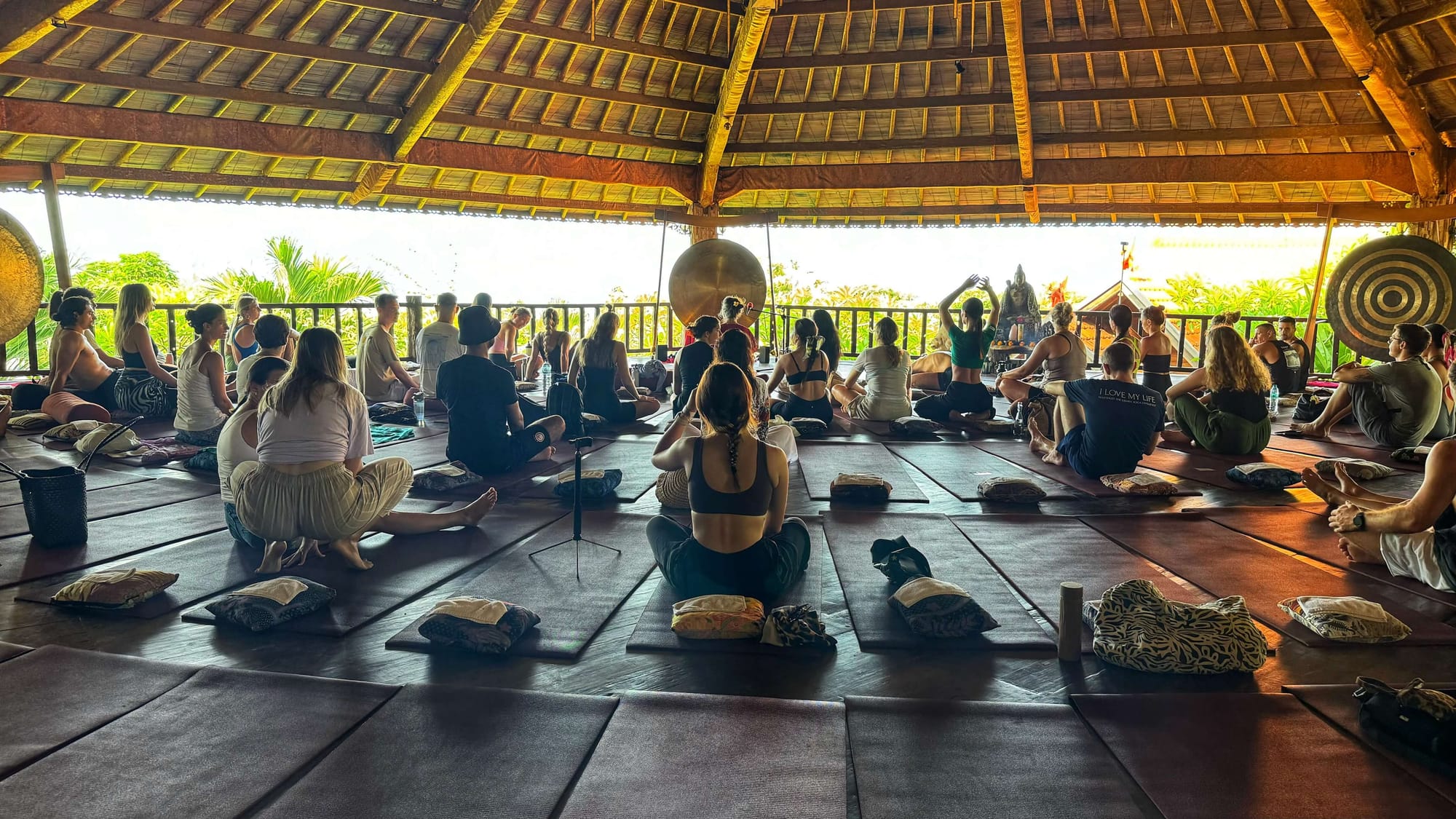
Left to right, from top: (1) sunrise run club; (2) women's writer's group; (3) nomad meetup; (4) breathwork & yoga event. All in Canggu, Bali. | Click any image to view larger.
After two months in Bali – maxing out my 30-day visa-on-arrival + 30-day extension – I left, but something inside me knew I'd return. I just needed to write the book first.
And that's how I wound up back in Bali for two years.
 Clara Ritger
Related Read: My origin story of how I left everything behind to solo travel the world.
You Either Love Bali or You Hate It
There's what Bali was, there's what Bali is, and there's what people want Bali to be. You're either going to love what Bali has become, or you're going to feel duped. I'm writing this to give you the most honest picture of what Bali is so that you can decide for yourself before setting your sights on a dream that might no longer exist.
My TL;DR, hot take is that Bali is a place to be, not to "tour." If you're looking for knowledgeable guides, exhilarating experiences, and stunning nature, honestly, that's not Bali. Guides in Bali are social media photographers in disguise, not historians, and don't expect for them to know much other than where the best photo spot is at the temple where they take you. You can do a sunrise hike to Mount Batur (which I actually recommend, despite what others may say online, you can see my photo from it here) but other than that there's not much by way of "adventure" in Bali. And look, the rice fields and jungle flora are beautiful, but many of the beaches and waterfalls have trash. If it's breathtaking natural wonders you're after, Bali is not the spot.
Most people who tour Bali by following what they saw online get the pictures in paradise they came for, along with a bit of a "spiritual Disneyland" experience. But there are many sides to Bali, and the face it presents to tourists to satisfy their listicle dreams is just one of them. There's a version of the island that exists for the foreigners who have come to call Bali home – and there's a version of the island that exists completely outside of the influence of outsiders altogether. By the end of this article you'll get a taste of the former, what it's like to actually live in Bali, and why I think it has more to offer to people who spend time there, as opposed to tour.
I love living in Bali, because it's a place where I can exist, relatively cheaply, and soak in everything that it does have to offer. Which is community, kindness, a slower pace of life, an orientation toward health and wellbeing, and an opportunity to learn and explore: myself, healing practices, and what others are innovating and creating.
Bali is also a place for meeting people by going to events, doing retreats, and joining gyms (which are basically membership clubs). For nourishing your body with healthy food and new workout classes. For getting down to the beach at sunset as a ritual.
All of this is supported by a deeply spiritual culture, people whose beliefs manifest in their way of life. The daily ritual of making offerings to the gods is an acknowledgement of the humility, gratitude, and surrender required to live, and the understanding that all life is connected can be seen in the close-knit community structure, and the way the Balinese take care of each other but also visitors – even the ones who behave poorly.
If you want to experience something more "authentic", if it's Balinese culture you're after, skip the crowds at the places you read about online and just take your scooter and get lost. Find people who don't speak English and you're on the right track.
 Clara Ritger
After two years on the island, I've got more than a few hidden gems to share.
The Insider's Guide to Bali — from someone who has actually lived there. I've been to the tourist hotspots, the ones you see on Instagram, and on every travel blog's itinerary, and I've been to some of the lesser-known spots on the island. Inside the guide I share exactly where I'd go — and where I'd skip — when planning a Bali holiday. Want the guide, plus access to the entire 100 Dollars A Day archive?
Why Bali is a Perfect Solo Travel Destination
I've solo traveled to over 35 countries, and Bali is easily in my top 5 list for best solo travel destinations, especially for solo female travelers and first time solo travelers.
Here's why: Bali is connected, in every sense of the word. Bali is a haven for transplants, which means almost everyone is in need of friends. Co-working at cafes has become the norm, so I often find that there's better WiFi in Bali than there is back home. If you want to order a ride, or order food delivery, there's an app (well, two actually) for that. Pick just about any interest or hobby you have, and there's probably a meet-up group for it. And there's a disproportionate number of people on the self-growth journey, seeking something more within themselves and also life than they could get back home.
You're not going to be alone or off-grid as a solo traveler in Bali. And that's what makes it both easy and fun to explore.
I love being solo in Bali, because I get to meet new people and do what I want, without much hassle or effort. And it's easy to find affordable accommodation for one – no hostel necessary.
How to Plan A Trip to Bali
Whether you're staying for two weeks or two months, here's the basics that will set you up for success on your trip to Bali, solo or not.
Accommodation
There's a huge range of accommodation in Bali, from ultra-luxe villas to quaint home-stays. Pricing varies wildly; for those who are looking for a monthly rentals, I've seen anywhere from $8/night for one bedroom in a guesthouse or home-stay to $50/night for one bedroom in a two-bedroom villa. That might sound like a steal, but if you're only looking for a few nights at a one-bedroom villa, expect to pay more ($100-$200/night is common).
Cost of living is rising rapidly in Bali due to its popularity, both with tourists and people who want to live there long term, expats and immigrants. There's also a decent amount of foreign investment happening right now in Bali, as people see opportunities with all of the (foreign) money that is flowing through the island. From new resort-style gyms, to grand villas, construction is everywhere in Bali, and the industrial noise is just as likely to be one of your complaints as the sound of roosters, depending on where you stay.
An expat, short for expatriate, is someone who is residing temporarily outside of their home country. An immigrant is someone who has left their home country with no intention to return. Bali has both. I've met Europeans who married Balinese and live there permanently, and Australians who moved when they realized they could afford a better quality of life in Bali. I've also met many digital nomads and wanderers like myself for whom Bali is a "chapter" not an endpoint in their journey.
Now, although hostels run pretty cheap in Bali, I can't recommend them. There's been a number of issues with cleanliness and people getting food-borne illnesses, with one girl even dying in recent years. I recommend booking your own place to be safe.
Transportation
The main way to get around Bali, and the cheapest and fastest way, is by scooter or motorbike. Petrol is very cheap in Indonesia, due to heavy government subsidies. Even in times of global oil crises, the price of petrol in Indonesia remains the same. As of publication date (April 2026), global fuel prices have skyrocketed due to the U.S.-Israel-Iran War. In Indonesia, the fuel price remains the same as it always has: 10,000 Rp/liter, or 0.58 USD/liter. Living in Bali, I spent about $2.50 every two weeks to fill up my scooter, and you can expect to rent a scooter for anywhere between 500,000 Rp - 1,500,000 Rp/month, which is roughly $30-90 USD/month. Price varies on quality and supplier.
In order to drive a scooter or motorbike in Bali, you are required to have a motorcycle license and an international driver's license, but there are plenty of people who drive without one or both. I do not recommend that you do this, simply because there's a lot of traffic in Bali now, and there's been a lot of accidents – including fatalities – that involve foreigners who either don't know what they are doing, or are driving recklessly. Please, wear a helmet. If safety isn't enough of a reason, there are particular intersections where the police wait and pull over foreigners without helmets to collect fines.
No matter whether you have two-wheel driving experience or not, there will be a learning curve to Bali's "road rules." The best I can say is follow the flow of traffic. I spent my first two months in Bali only taking ride-share scooters, before I learned how to drive one myself, and I think what I gained in that time of observation was how things "work" on the road.
Grab and Gojek are the two ride-share apps that you should download. Certain credit cards don't get accepted on Grab and Gojek (I don't know why) but paying by cash is always an option. You can also order a car, but it will take you twice as long to get anywhere.
When you first arrive in Bali, you can book a Grab car from the airport. There's even a little waiting lounge just past the spot where the drivers with signs wait, and Grab team members are there to help you get on the WiFi and get booked. This is the least expensive option for getting to your accommodation.
If you prefer to have your ride set up ahead of time, when you book your accommodation through Booking.com, they often run a deal on transfers to/from the airport on the confirmation page. You could book that, and then a driver will be waiting at the airport for you with your name on a sign. If you don't want to book that, or if you booked accommodation another way, like through Airbnb, your other option is to talk directly with your accommodation about setting you up with a driver. I've found that this is generally more expensive than booking online or Grab.
SIM Cards
If you're only staying in the tourist areas, you can get away with WiFi only – every restaurant and business has it, and it's easy to book rides if you're going back and forth from your accommodation which also has WiFi.
But if you do want a SIM card, buy one in town after you settle in at your accommodation. It's much cheaper than the airport, and there are stalls everywhere.
 Clara Ritger
There's other options beyond physical SIM cards and E-SIMs, and I break down price points and what actually makes sense to buy in this article.
Money
Most places accept credit cards now – Visa and Mastercard are widespread, AMEX is only at about half of the places – and only a handful will charge a 3% card fee. Most places have stopped doing that and just built it into the 15-20% fee they tack onto your bill for service and government tax regardless of how you choose to pay.
I've noticed that there are no ATM fees if you use BNI and Maybank, and there's a BNI at the airport, after you clear customs and before you pass the SIM card hawkers. Get money there, and ask for one of your 100,000 notes to be split into smaller money. Try to keep splitting the 100,000 notes wherever you can. You're unlikely to ever get change from a Gojek/Grab driver (they're looking for a free tip) and warungs do prefer small bills when you have them.
Language
As I mentioned earlier, for the most part, you can get around easily with English. If you venture outside of the tourist hotspots, you'll need to pull out the Google Translate app and set it to "Bahasa Indonesia" to communicate. You don't need to learn any Bahasa before going, but locals will appreciate it if you do know the basics: selamat datang (welcome, a standard greeting) and terima kasih (thank you) are good places to start.
In Bali, they also speak Balinese, and thank you is suksma. You'll get a look of pleasant surprise if you toss that one out, and I recommend it. We take for granted that we are visitors in a country that has made the effort to know our language, and not the other way around. This is a small gesture of care that says: "I see you."
Visas
This is the biggest ongoing headache about Indonesia for long termers. There's a huge variety of visas to choose from, which cover different activities from simply being a tourist, to digital nomads, to running a business in the country and more. I'll only talk about the tourist visa, for simplicity.
The 30-day tourist visa costs 500,000 IDR online, or 500,000 IDR at the airport plus ~25,000 IDR credit card fee. This visa can be extended one time for 30 days, for a total of 60 days, before you have to leave the country. Overstaying your visa costs 1,000,000 IDR/day and can get you in trouble with immigration for future visits.
Indonesia is constantly updating its visa rules and modernizing how they process visas. In the time from my first visit to Bali in 2023 to today, Bali now has automated gates which makes it really fast and easy to cross immigration once you pay the visa fee and fill out your arrival card. Indonesia has also made the process to extend your visa so easy that it's really silly if you don't do it. Extending your visa used to require three in-person visits to Denpasar, which meant that most people hired an agency to do two of them (and the last one you'd have to go for because they take your photo). Now, when you cross the immigration gates, you receive an automatic email that your visa has been activated, and you can process the extension online (they still require the one in-person visit for photo capture though).
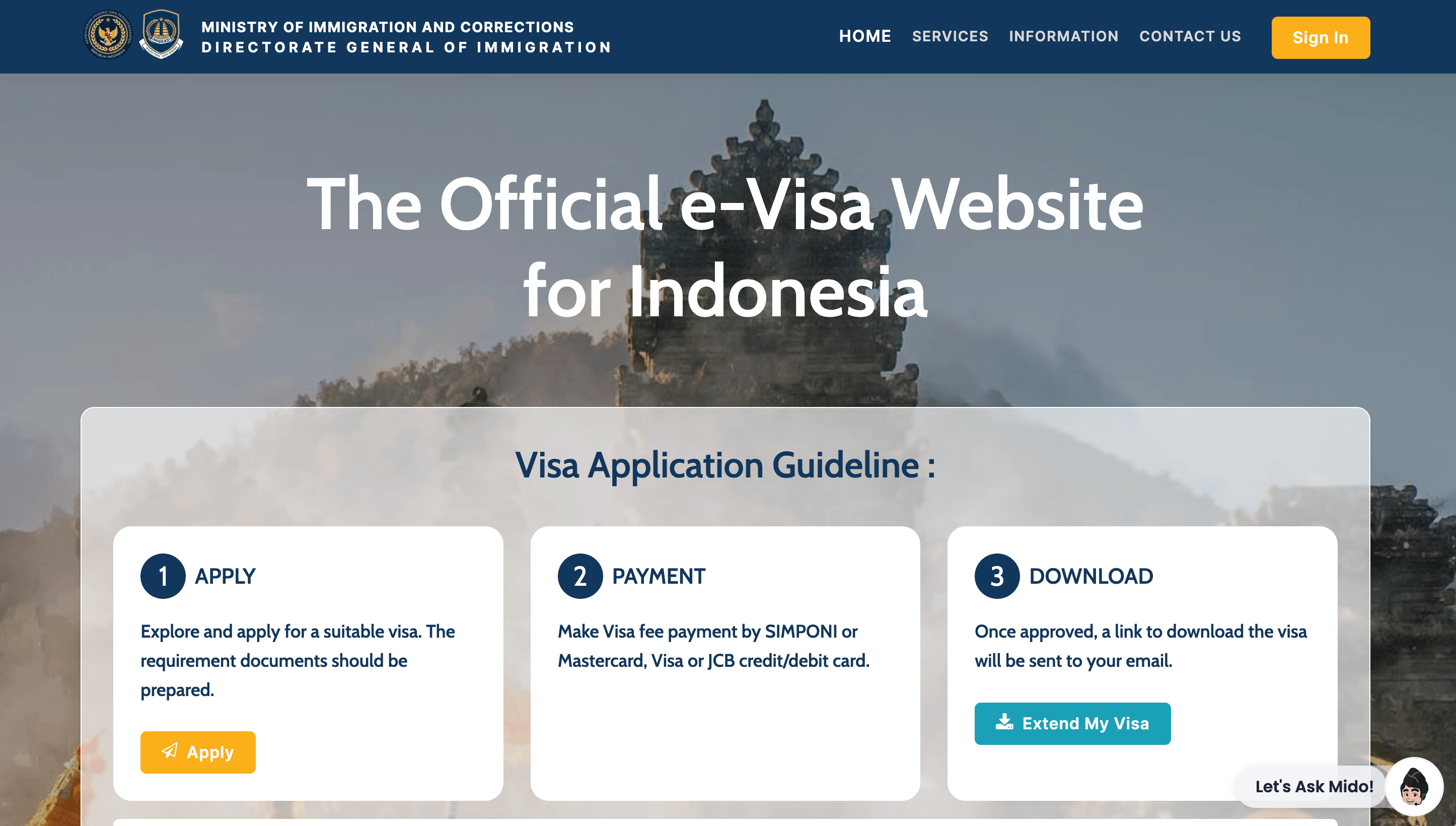
If you want to apply online for your visa, or extend your visa that you got at the airport in Bali, go to this website: https://evisa.imigrasi.go.id/ and then click either the yellow "Apply" button or the blue button that says "Extend My Visa." You'll set up a profile and pay. If you're applying, just return to this site and log in to extend your visa. If you are extending a visa that you got at the airport, you can still use this site. The earliest you are able to process an extension is 14 days before your visa expires. After payment, you'll receive an email about which immigration office to go to for your photo, and when. (As of April 2026 they required you to go within three days of making payment.)
You can also get a 60-day tourist visa (online only) for 1,000,000 IDR. The benefit of this option is that you can extend it twice for a total of 180 days. With this option, there's really no need to do the infamous Bali "visa run," but you can do it if you need to, and I've had to do it once – because I didn't have time to get this visa, and had to do the 30-day visa on arrival. The 60-day online visa used to take 5 business days to process, but it is now taking longer (it took 12 business days for my most recent one) so be sure to apply well in advance if you want this option, because Bali celebrates many holidays and 12+ business days might actually look like applying a month before your arrival.
The "visa run" as people call it is the act of leaving Bali when you've maxed out your extensions, flying to another country, crossing immigration in that country, and then within 24 hours flying back into Bali. I flew to Kuala Lumpur in the evening, and then flew back to Bali the next morning. My premium credit card gets me lounge access, which includes three hours in each of the two sleep pods locations at KUL, and the pods along with most of the lounges are actually landside (outside of immigration at KUL), so all-in-all it feels pretty ideally set-up for visa runs from Bali. I've heard of some people doing it same day (early morning flight, returning in the evening) but I didn't want to take the risk of being flagged for exiting and entering immigration same day (if Indonesia even cares about it).

Your support will help me keep writing.
If this newsletter is helpful to you, please consider making a one-time contribution. I don't run ads, which means your financial support is what sustains this site. Any amount is appreciated!
What to Expect in Bali
The following sections are more subjective, but I'm offering my perspective so that you don't show up expecting to ride a bicycle through the rice fields with your wavy hair down and then wonder why you're breathing fumes in bumper to bumper traffic while it takes 30 minutes to drive 5 km from your guesthouse to a restaurant.


Infrastructure
Bali is overdue for an urban planner to come in and fix the mess of what it's become without (seemingly) anyone looking at the big picture before approving construction left and right. From where I sit, Bali is a cash-cow for the Indonesian government, and you would think that with all of the money flowing in from visas, business licenses, taxes and more, the government would have the funds to invest in infrastructure... but I'll leave it there, because I haven't actually done any digging or reporting into this.
Overdevelopment is real. Every rainy season now there is devastating flooding, because the water has nowhere to go, because they paved paradise and put up a villa. Literally.
Overdevelopment leads to overpopulation, and the more people you shove into a square meter, the more traffic you get. Air pollution lingers when the trees – the lungs of the earth – disappear, and those have to go to make space for more villas.
The roads were a problem long before volume was an issue; in many places the roads are built for scooters but not cars. There may be two lanes but they're so thin that cars and trucks have to pull over to the side of the road or slow down just to ensure they don't side swipe the car coming the other direction because the roads have not been widened to keep up with growing vehicle sizes.
Litter is a common problem in many third world countries and in Bali it's no exception. But now with the overtourism problem, there's a trash problem. The Bali Sun reported that "on the 1st April 2026, Bali's biggest landfill stopped receiving organic waste, which accounts for 65% of all the waste produced in Bali."
So now locals are burning their trash – which they always did to some extent, but not en masse – which is creating even more air pollution.
Bali Belly
Clean water is part of infrastructure so it will not surprise you that that does not exist either, and the more trash gets thrown into waterways, the more toxic the tap water becomes. Brush your teeth with the filtered water, be discerning about where you eat, bring antibiotics in case of food poisoning, and know that you can get an IV drip brought to your villa if you want or need. I eat at plenty of warungs (local restaurants), and I've never gotten Bali Belly (or at least not significantly where I was out for a day or more). You just need to know which ones are catered more to tourists, and thus have better sanitary standards.
Food
Don't let the aforementioned Bali Belly put you off on the food.
The restaurants in Bali are the best in the world in terms of quality for value.
I'm serious. I lived in New York City and Washington, D.C., two of the best food scenes in the U.S., and I've dined in over 35 countries on six continents. The quality of ingredients and preparation for the price you pay for meals in Bali is unmatched. And there's such a high density of restaurants in the main tourist areas, that it feels like it rivals New York City. You'll have more restaurants you want to try than you will have time to try them, guaranteed.
Most people who live in Bali long term eat out at least once a day if not most of their meals, because it's extremely affordable. There are some nice grocery stores, but go once and your bill will make you realize that it's more cost effective to just eat out. Locals shop at roadside markets, which you can also go to, and which I go to.
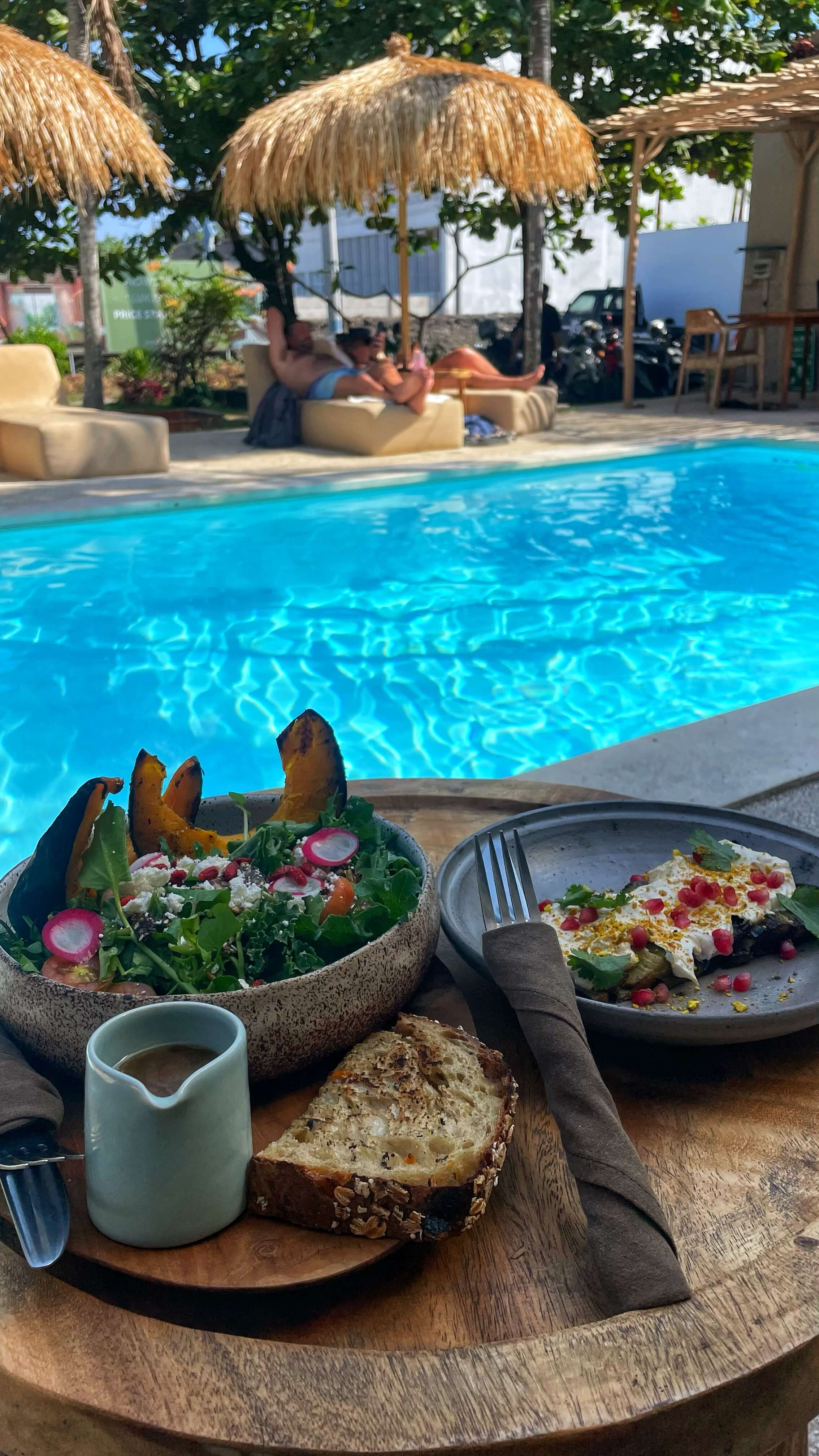
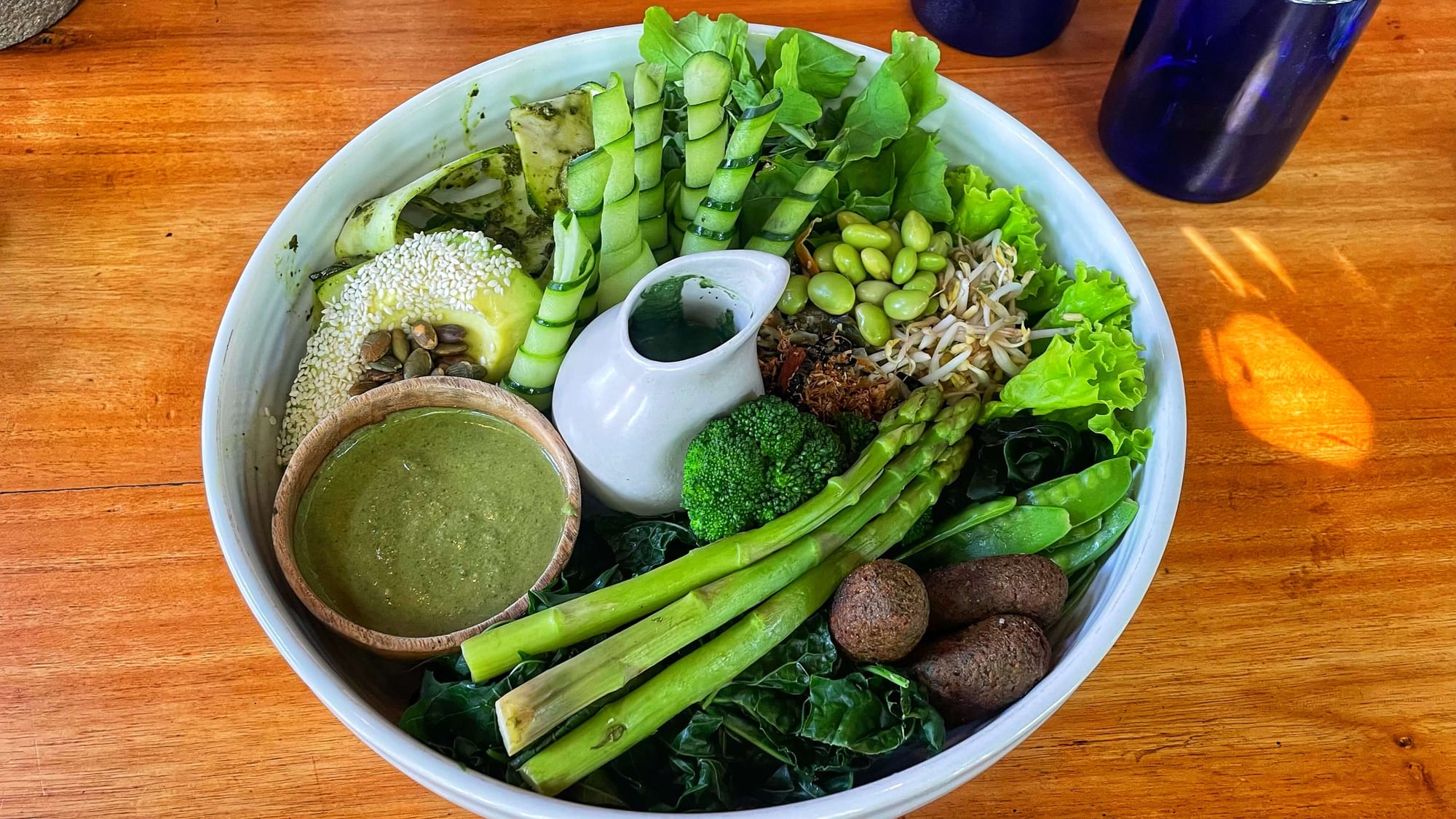
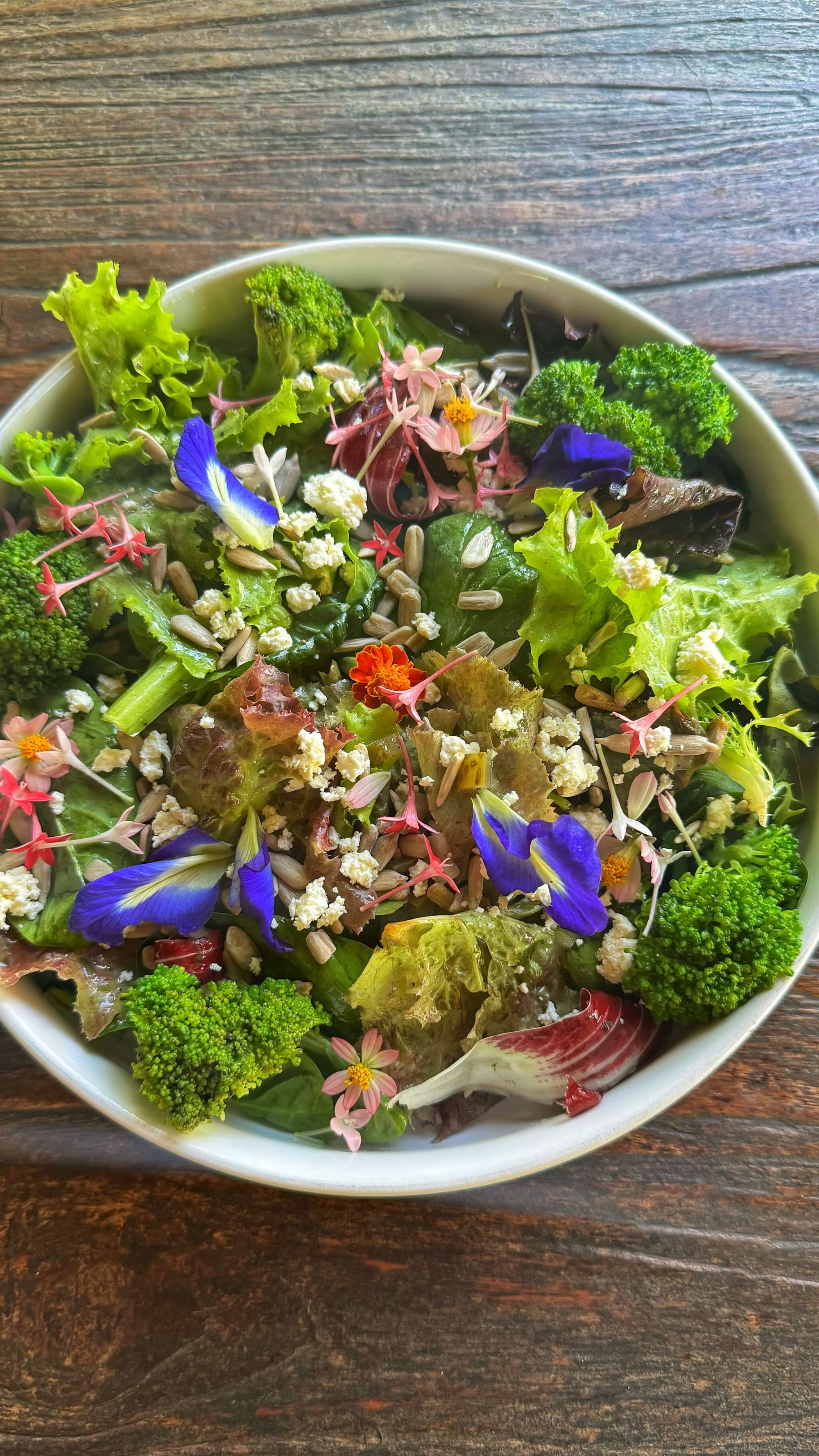
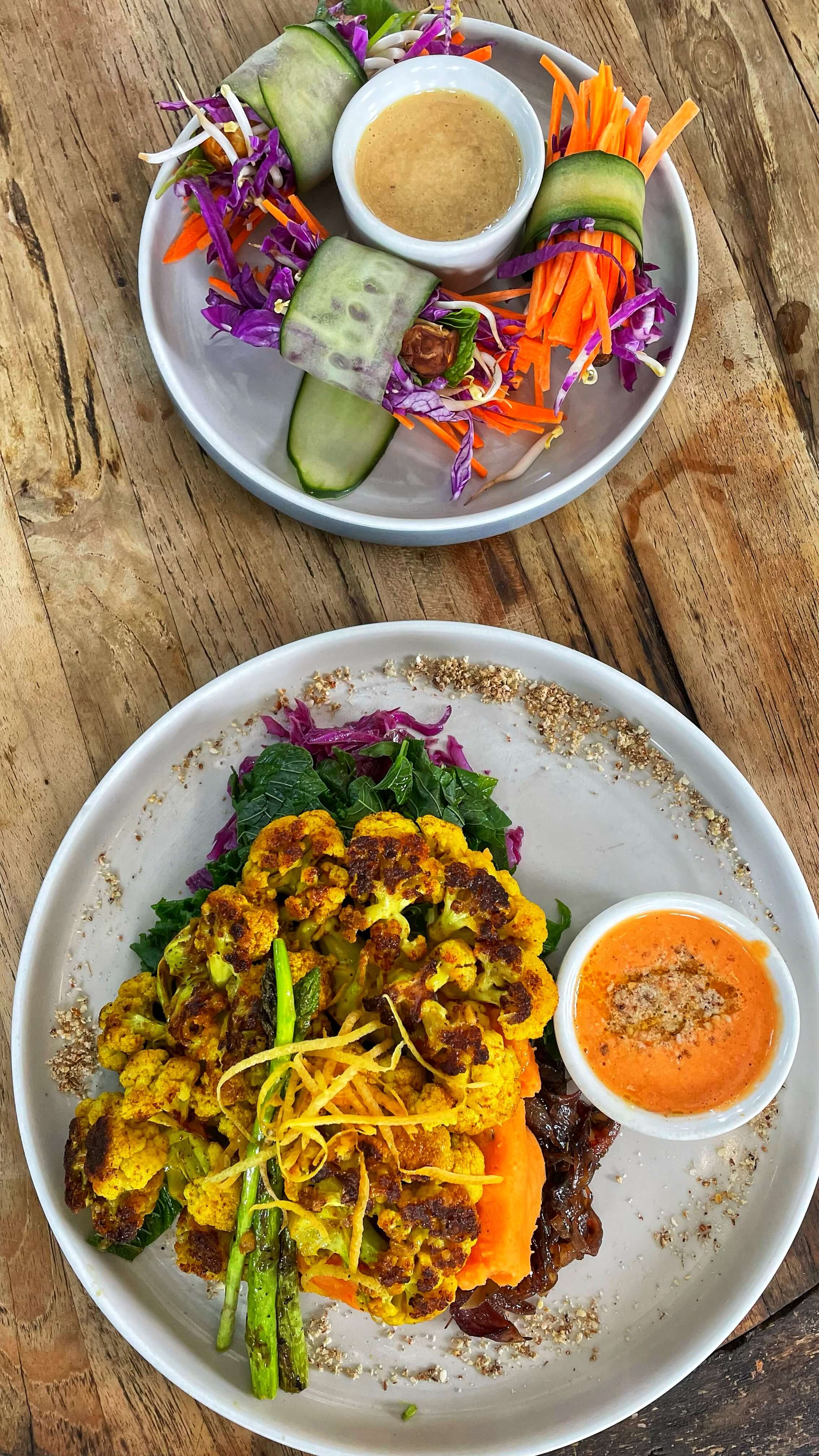
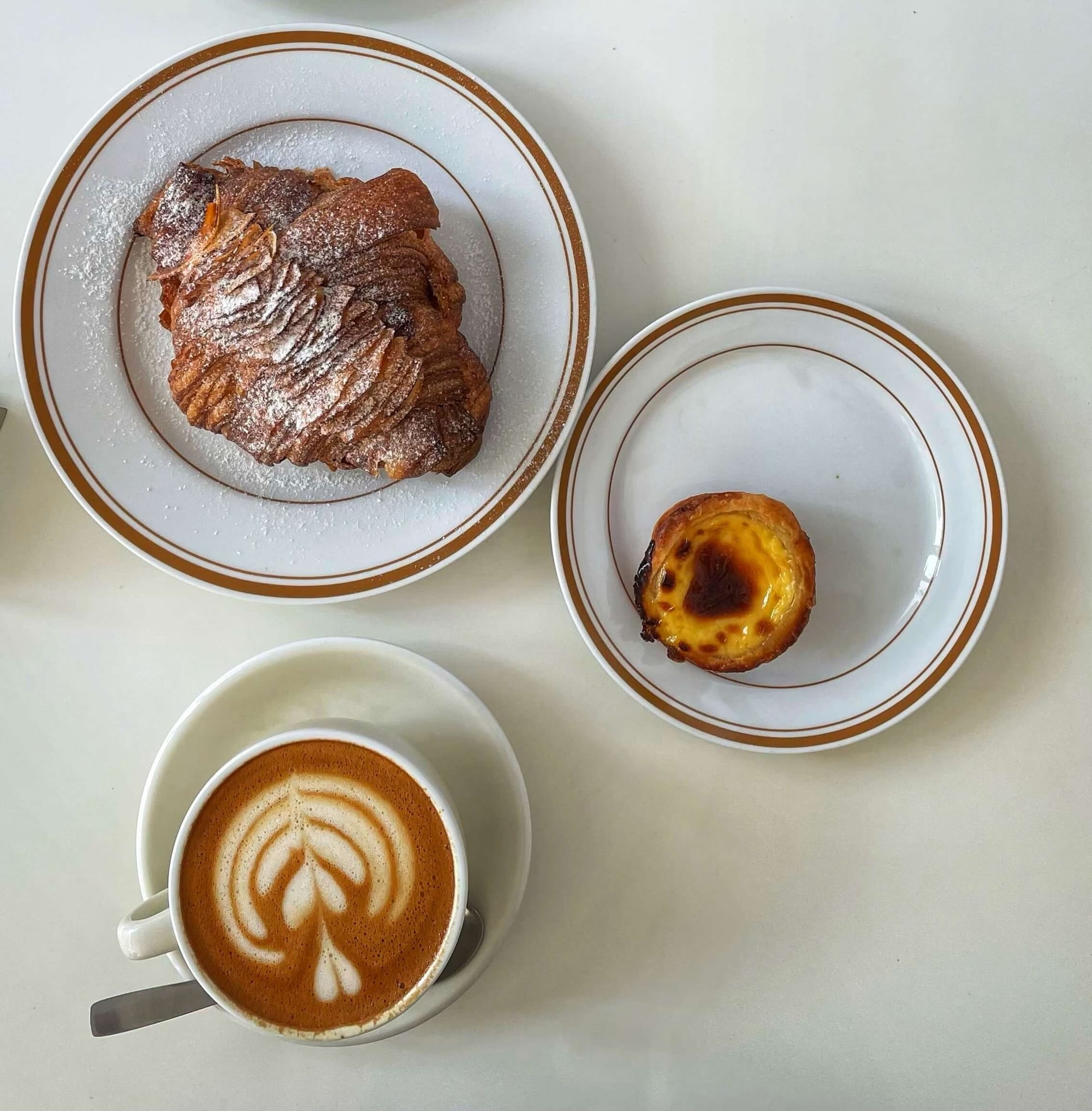
Bali has plenty of options for meat-eaters too, but it also has some of the most creative and colorful vegan and vegetarian options I've experienced anywhere. It's not hard to eat healthy. | Click any image to view larger.
If you're looking at the pictures and thinking... that's quite Western, where's the Indonesian food? Do not fear, there's plenty of that too. It's decidedly less healthy (😂) but there's a few spots that do "clean" versions of traditional dishes and are quite good if you want. I've got five warungs I go to regularly (two of them know my name) when I'm in Bali, and you can find out where in my Insider Bali Guide.
 Clara Ritger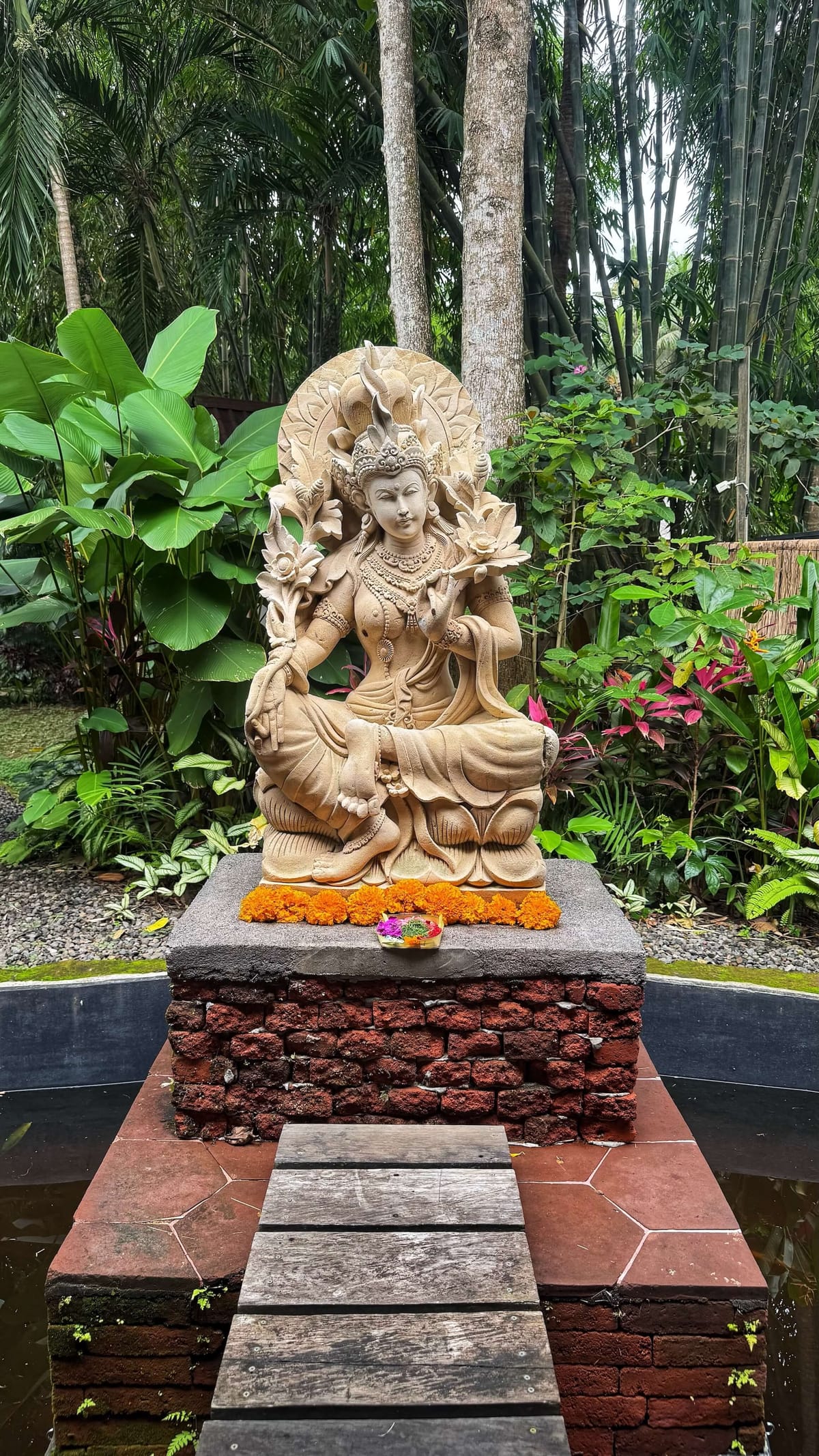
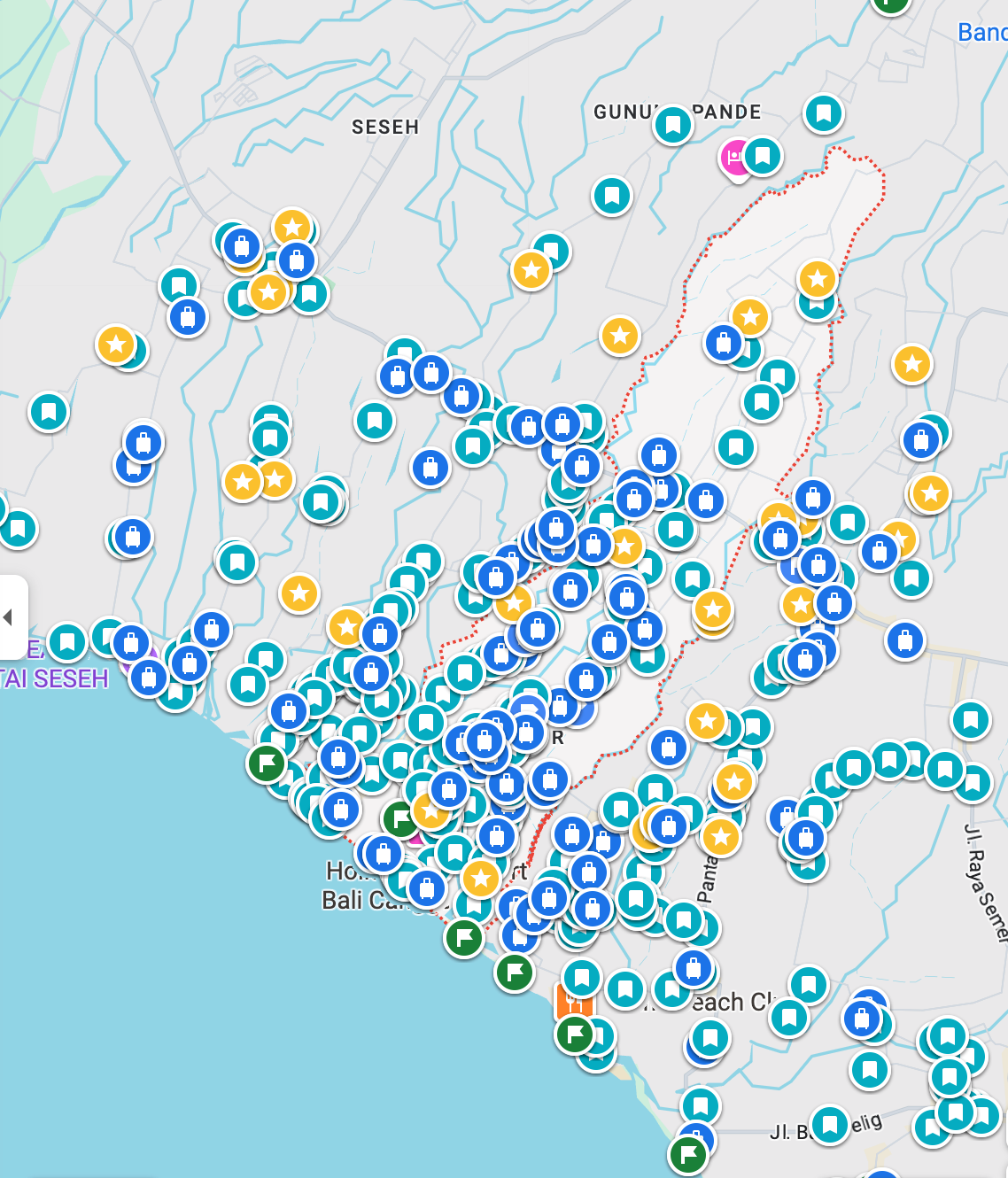
Inside this guide you'll find names of my favorite warungs, off-the-beaten-path places, and a few IYKYK spots in the main tourist areas.
Shopping
I don't. I bring everything from home. Buying clothes in the main tourist areas is quite expensive in Bali, the prices are often higher than what you'd see in the U.S. and Australia. You can go into Denpasar and go to a local market, but assuming you aren't doing that, expect to spend 75-100 USD on a dress if you're shopping in Canggu, Ubud, or Uluwatu.
For toiletries and other basics, Indomaret and Guardian Pharmacy will probably have what you need.
Pricing
There's a growing disconnect between what things actually cost in Bali and what people are charging for the experience, and it's worth a brief mention here, because you might feel inclined to sign up for a $5,000 retreat and I just really need you to know no matter how amazing the retreat is, you're being scammed just a little bit.
 Clara Ritger
Here's a free, 56-page guide to take your own solo, one-week retreat, from wherever you are or wherever you want to go. Meditations, yoga, journaling prompts, and more.
People are coming to Bali to escape trouble at home; wars, financial crises, cost-of-living struggles are real. But they're bringing their expectations of income with them. And when people pay those prices – for meals, for retreats, for wellness services, for gym membership – the money doesn't increase the salary of the local worker delivering the service, it increases the profit of the business owner (typically a foreigner). And then over time the cost of everything rises – especially housing – which makes it harder for locals.
There are cultural organizations, nonprofits and service-oriented businesses forming to address these problems. But it's not enough to change the structural impact of investment in Bali and I do think that this will inevitably lead to a crisis – it's just a matter of whether the investment bubble collapses before it does.
Safety
Bali is safe mostly, and I've never felt at risk as a solo female traveler in Bali. There are occasional reports in the WhatsApp groups of women being drive-by-groped (?) while walking late at night. (It's a strange one, I don't know more than what I've shared.) And then there's the street fights from drunk expats getting into it with a local and that's really the big problem – some people have died from being beaten in the streets. Not to scare you. But if you go out at night, be careful where you go, be aware of your surroundings, don't drink too much, and most of all be kind – especially to the people who lived here first.
People
The rumors are true. The Balinese really are that friendly. I don't have much else to say other than it changes your chemical makeup when all day every day people treat you with kindness and smiles and generosity. I love living in Bali for this reason.
For the most part, the expats are friendly too. Many of the people who have left their home countries for a better life in Bali have inspiring stories and projects that they're working on now. Most foreigners living in Bali fall into one of these categories: digital nomad, influencer, entrepreneur, investor, wellness worker, or semi-retired and spending a few months of the year in Bali while maintaining a home base elsewhere.
There is some bad behavior among foreigners – road rage, rudeness to staff – that I think largely comes from their cultures back home, and Bali would be better off with more foreigners adapting to the local culture than expecting Bali to change for them.
Tourism
If you travel and care about how it shows up on Instagram or TikTok, Bali is for you!
If you want to destroy the small island of Nusa Penida to get that one famous shot, by all means, Bali welcomes you!
If you drink and party there are places in Bali where you can do that!
But honestly please don't. This is by far my least favorite thing about Bali and I think the locals only put up with it because $$$.
Beaches
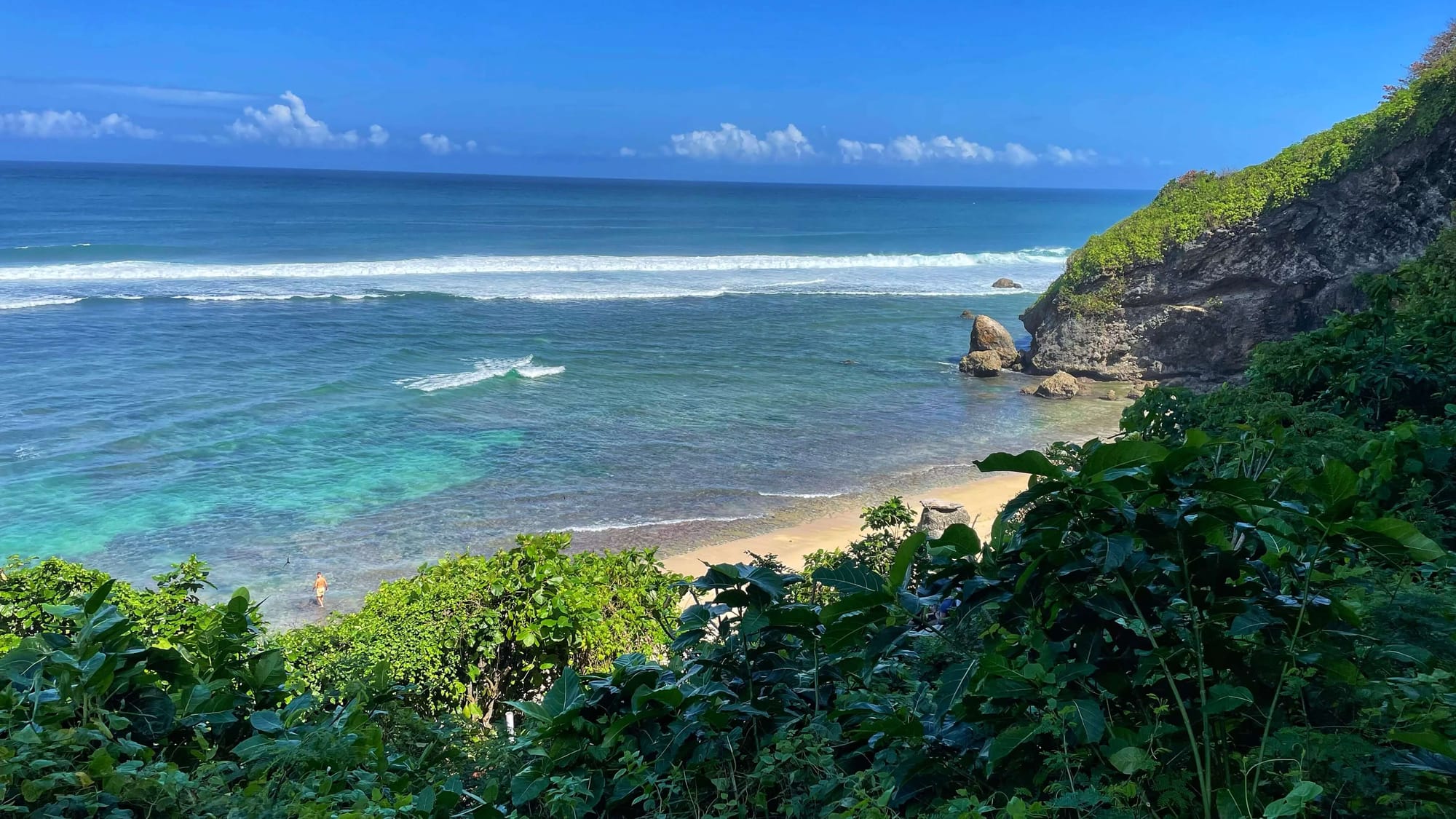
Uluwatu is the place to go. Stunning cliffside views over the ocean, and a great base for experienced surfers. But in general, Bali is not the best as far as beaches go. I often think when people think of beaches in Bali, the picture that they have in their head is actually Thailand.
Access to Nature
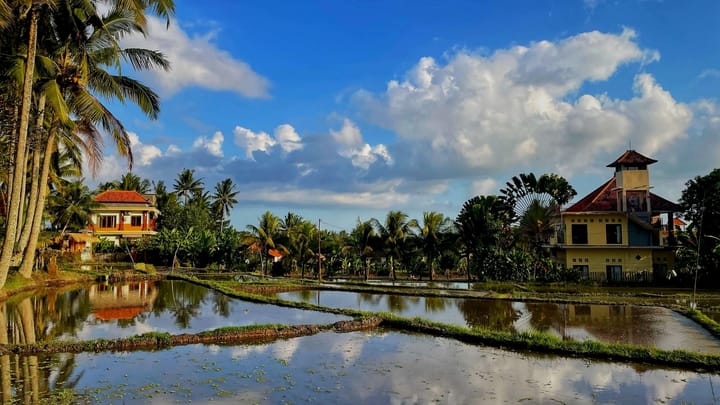
Bali is also not the best for this. Look, are you living in the rice fields and among palm trees? Yes. Can you go to the beach? Yes. Can you hike a volcano? Yes. Can you visit a waterfall? Also, yes. But none of it is "great" and I think you won't really understand what I mean until you see it yourself. And it costs money (entrance fees) to access these places, unless you drive outside of the tourist centers.
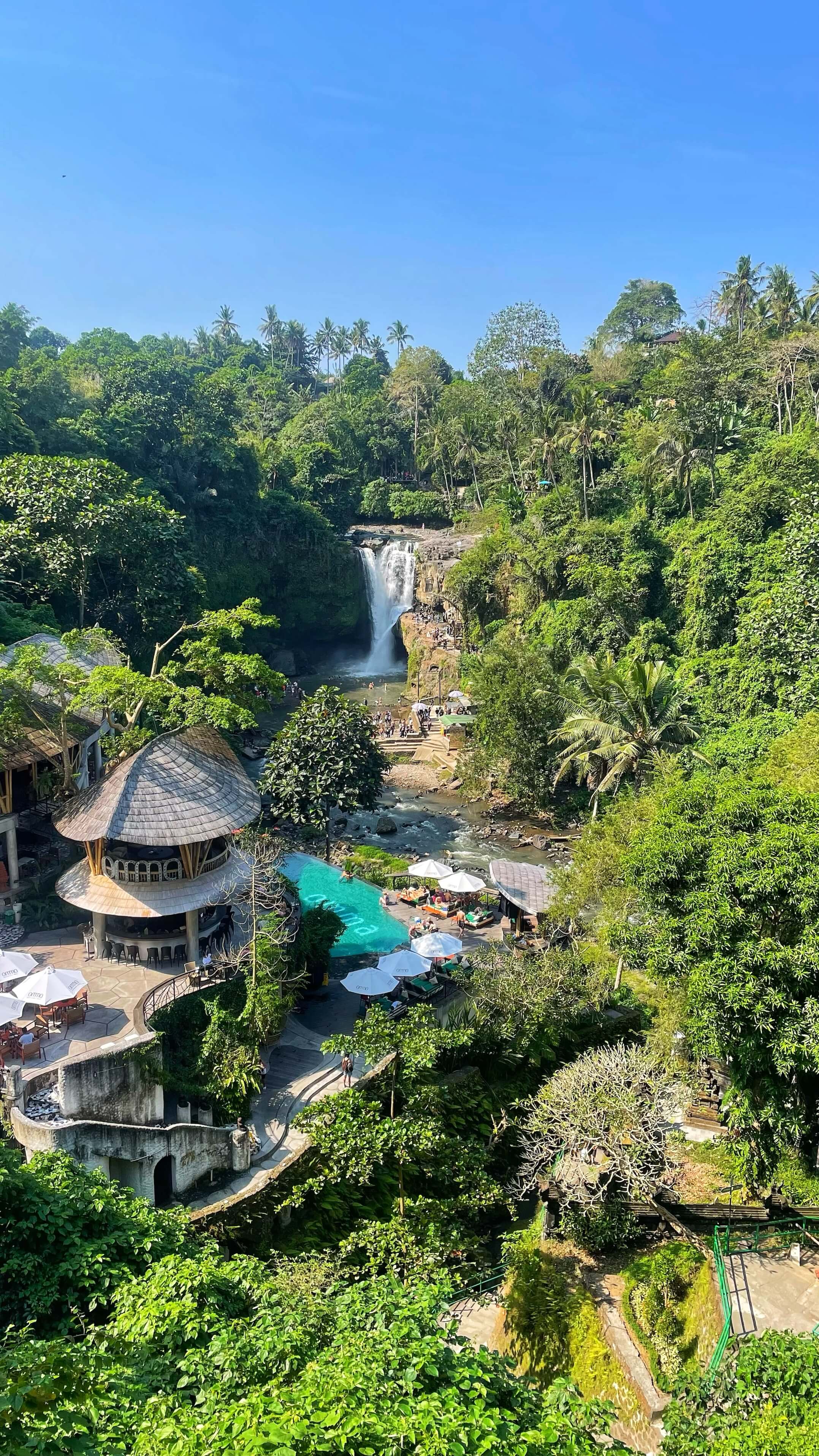
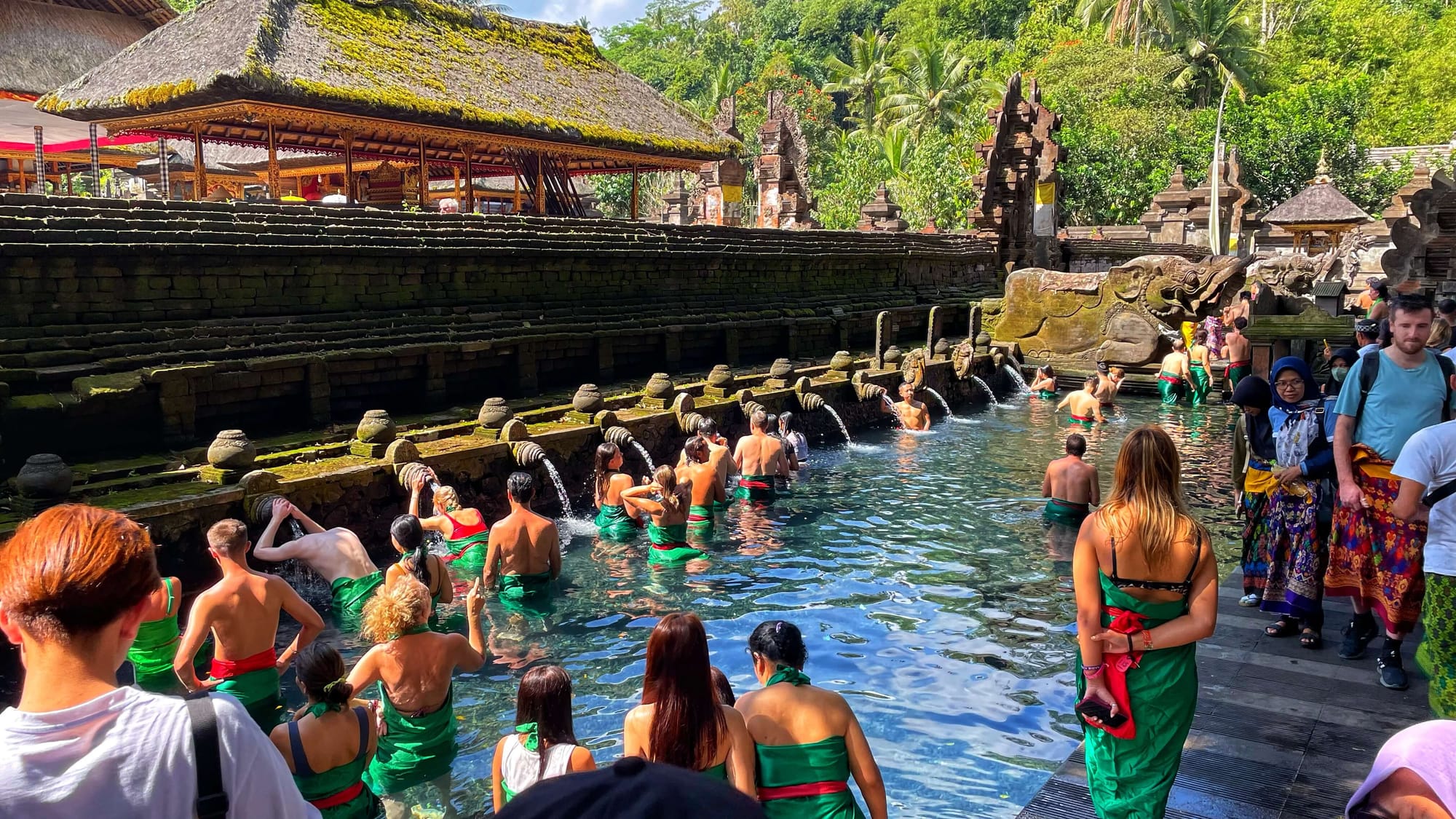
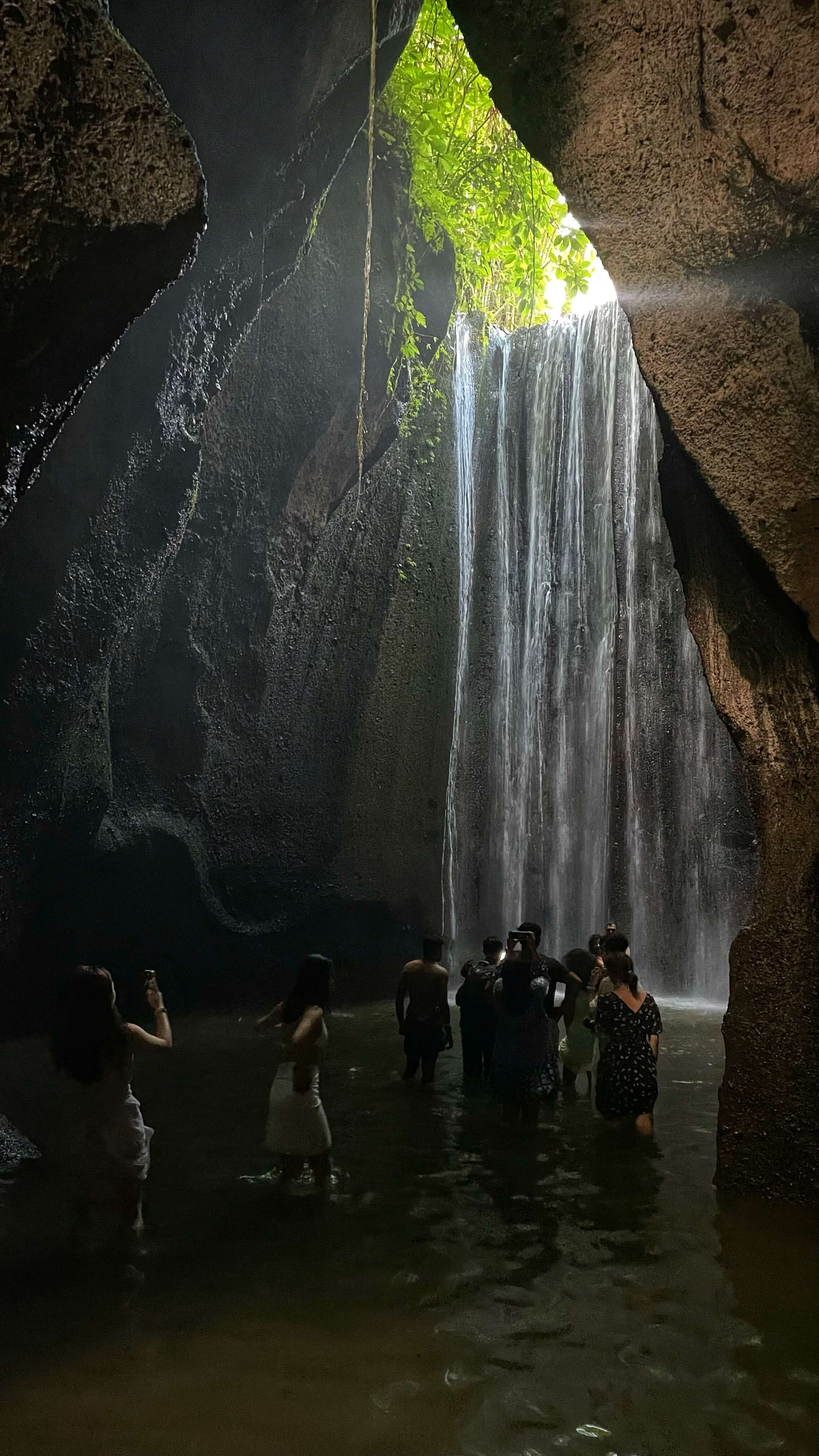
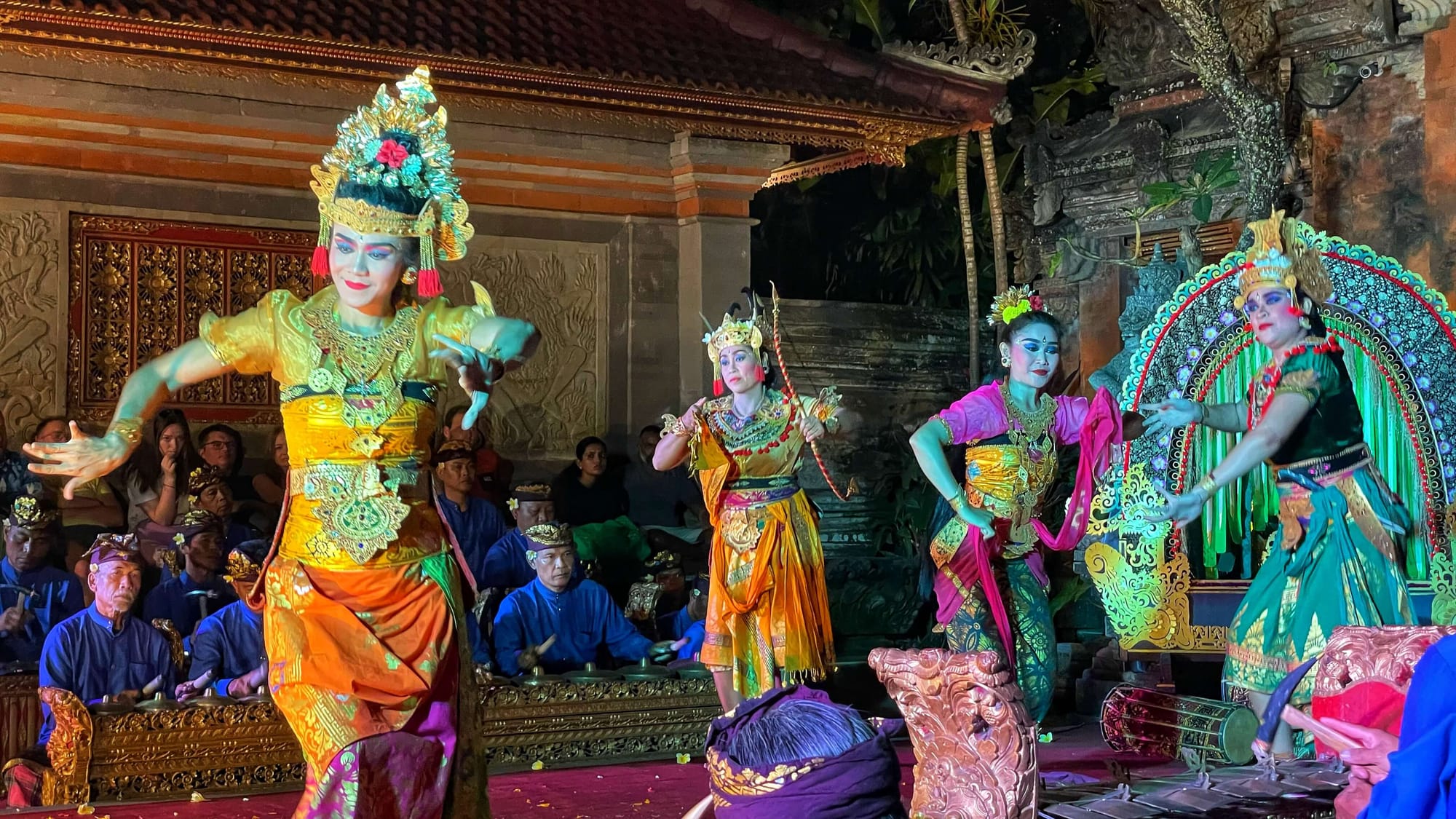
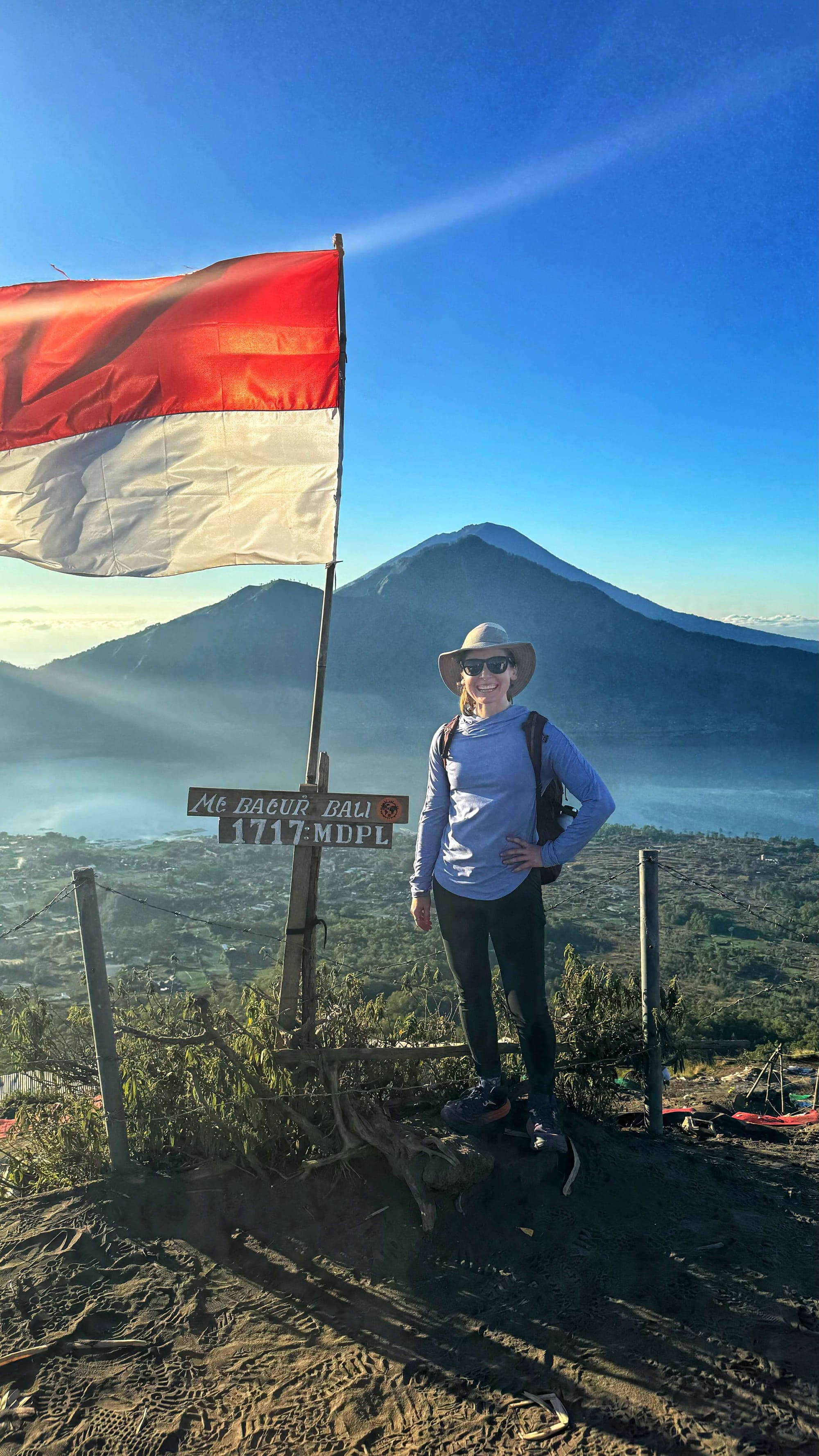
Left to right, from top: (1) a waterfall in the Ubud area where pool clubs have been built to enjoy the view; (2) a crowded water temple in the Ubud area; (3) another waterfall in the Ubud area with a queue to take a photo; (4) the traditional Kecak dance performance at Ubud Palace; (5) the summit of Mount Batur. | Click any image to view larger.
Balinese Culture
There are a few touristy ways to experience this, and I do recommend it: Kecak dance, cooking classes, temple and village visits. Just don't make it your whole trip, or I think you'll be disappointed. Bali has done a great job of creating experiences "for tourists" and while it is authentic, to a degree, it's also a performance. If you stay in Bali long enough and get to know the leadership of the village you're in (called the "banjar") you might get invited to a real ceremony, and that's an honor not to be missed.
Healing & Transformation
There are local healers in Bali, and there are foreigners who are also offering healing and transformation through their services. Bali remains an incredible destination to seek out alternative, ancient, and Eastern medicine practices, and to have a "spiritual" awakening. To be honest, I had mine long before I got to Bali, so I haven't partaken in this side of the island as much, and I'm a little wary of things that feel "fake" to me, and there is a lot of that (with the foreigners). There are also genuinely good healers in Bali. You just have to find them.
Bali remains, undoubtedly, a center for transformation. I think it magnetizes people who are ready to make a change in their life, and gives them the support to walk that path. There is an ineffable mysticism to the island and what happens to people as they spend time here. I've heard people say that Mama Bali will give you what you need – and spit you out when you're done.
A Typical Day Living Solo in Bali
I love the rhythm that I have in Bali. I'm a member at a gym, so in the mornings I workout or take a class, chat with friends in the recovery area, and even co-work before heading home. In the afternoon I'll get lunch, and co-work from the cafe. I have a favorite coffee shop where everyone knows my name and I know theirs, so I usually pop by after having a bite to eat and linger. And in the evening – if I'm not going to a sound bath or to another event – I'll have a coconut and watch sunset on the beach.
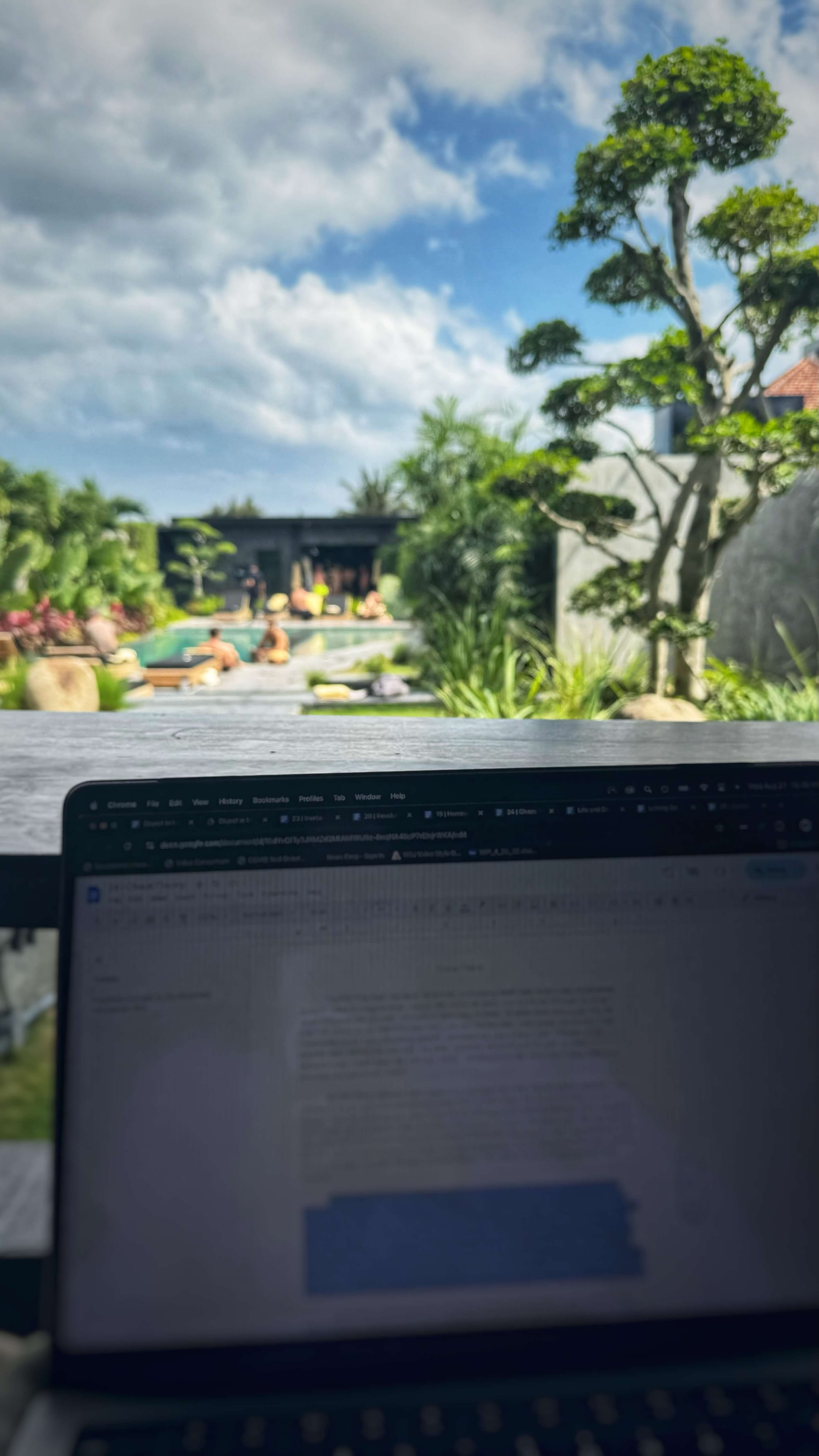
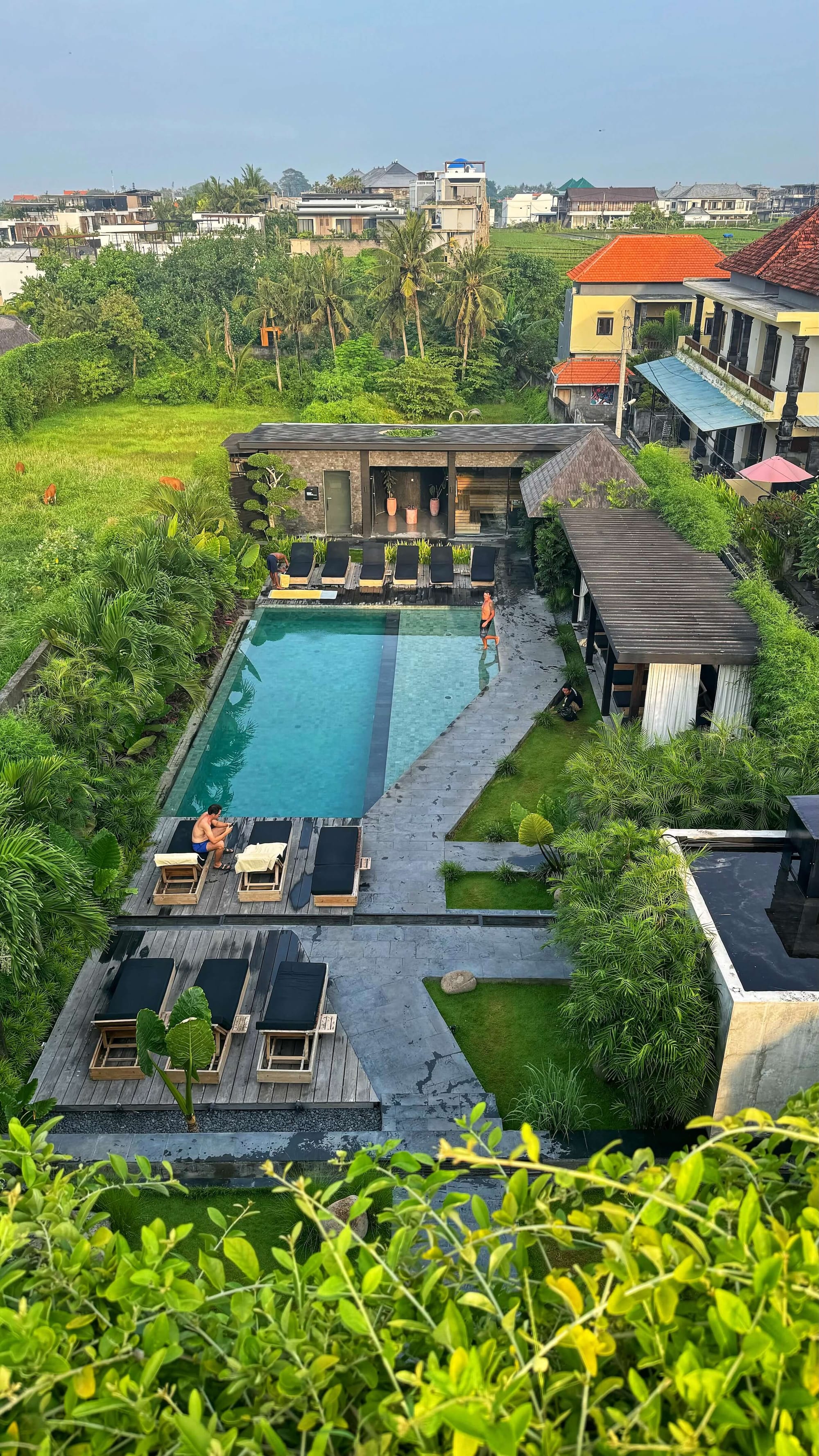
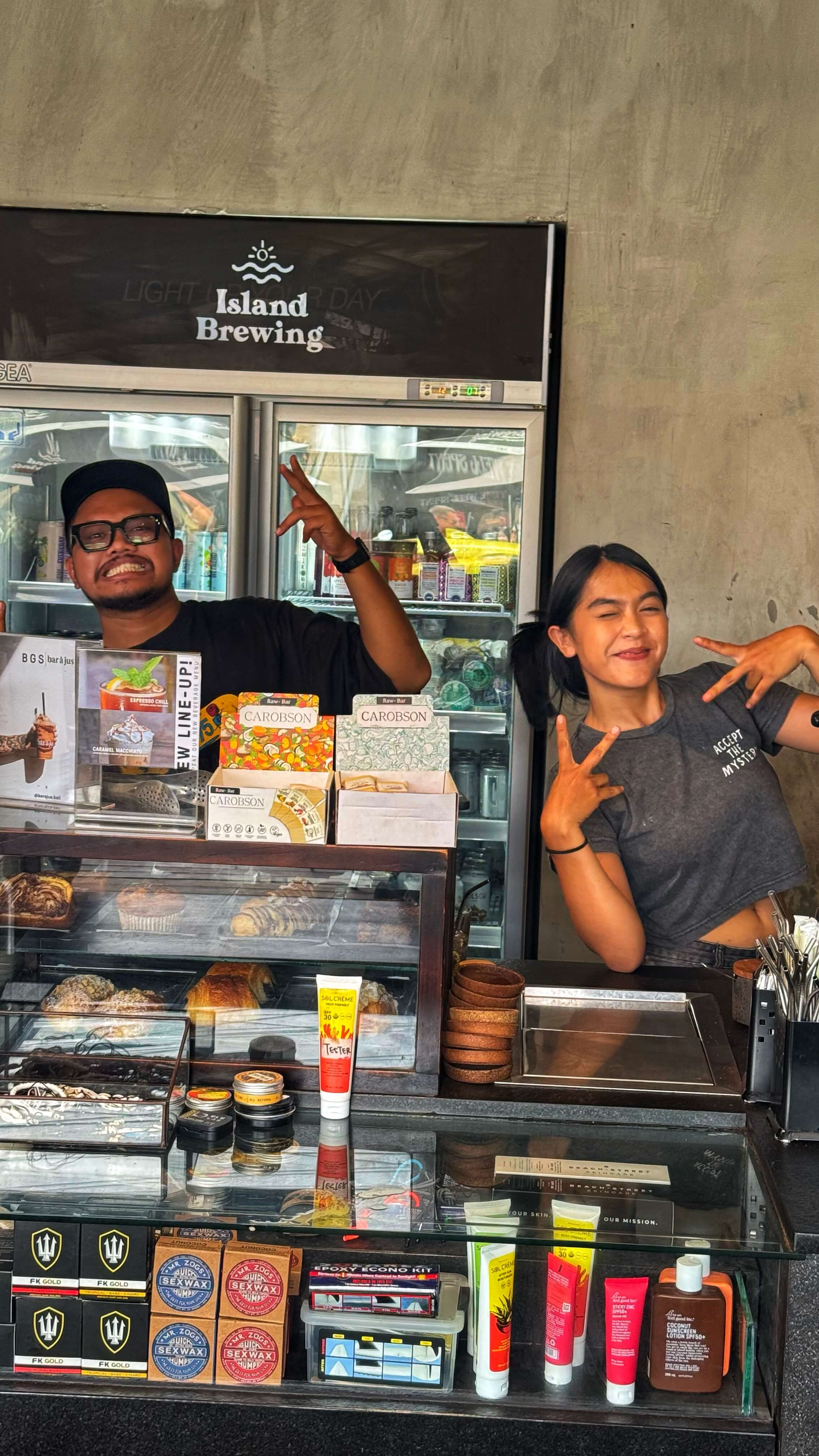
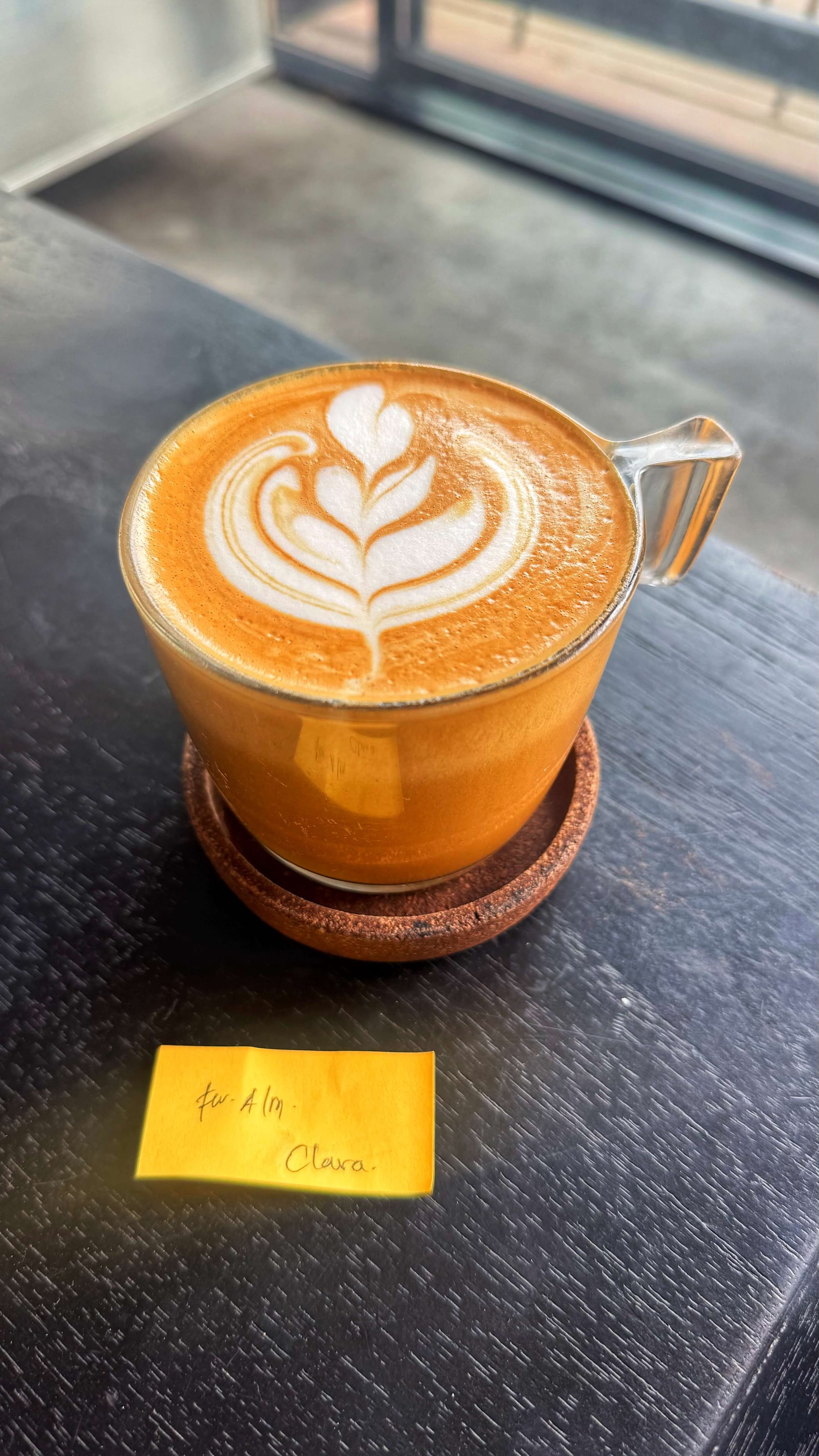
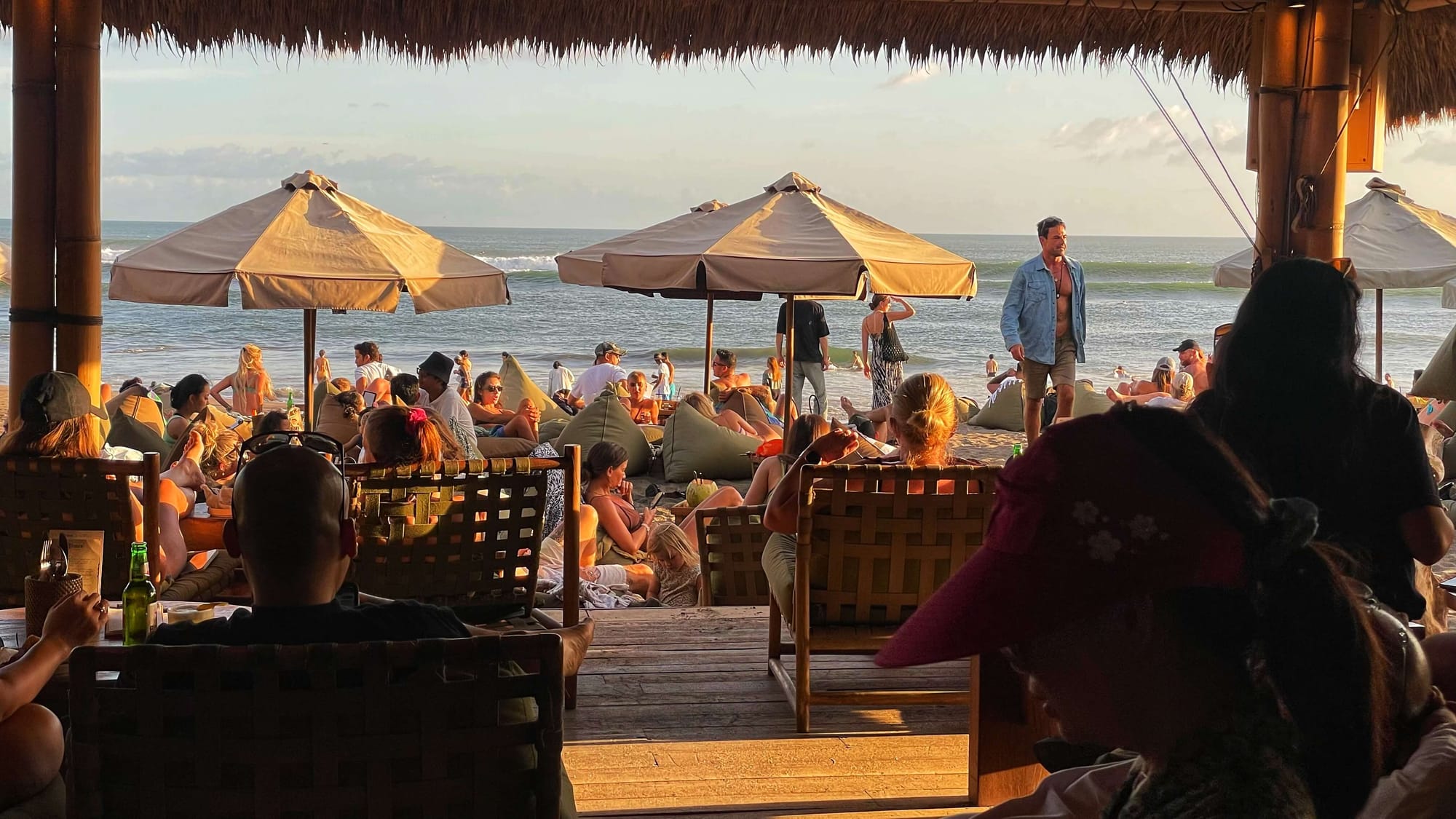
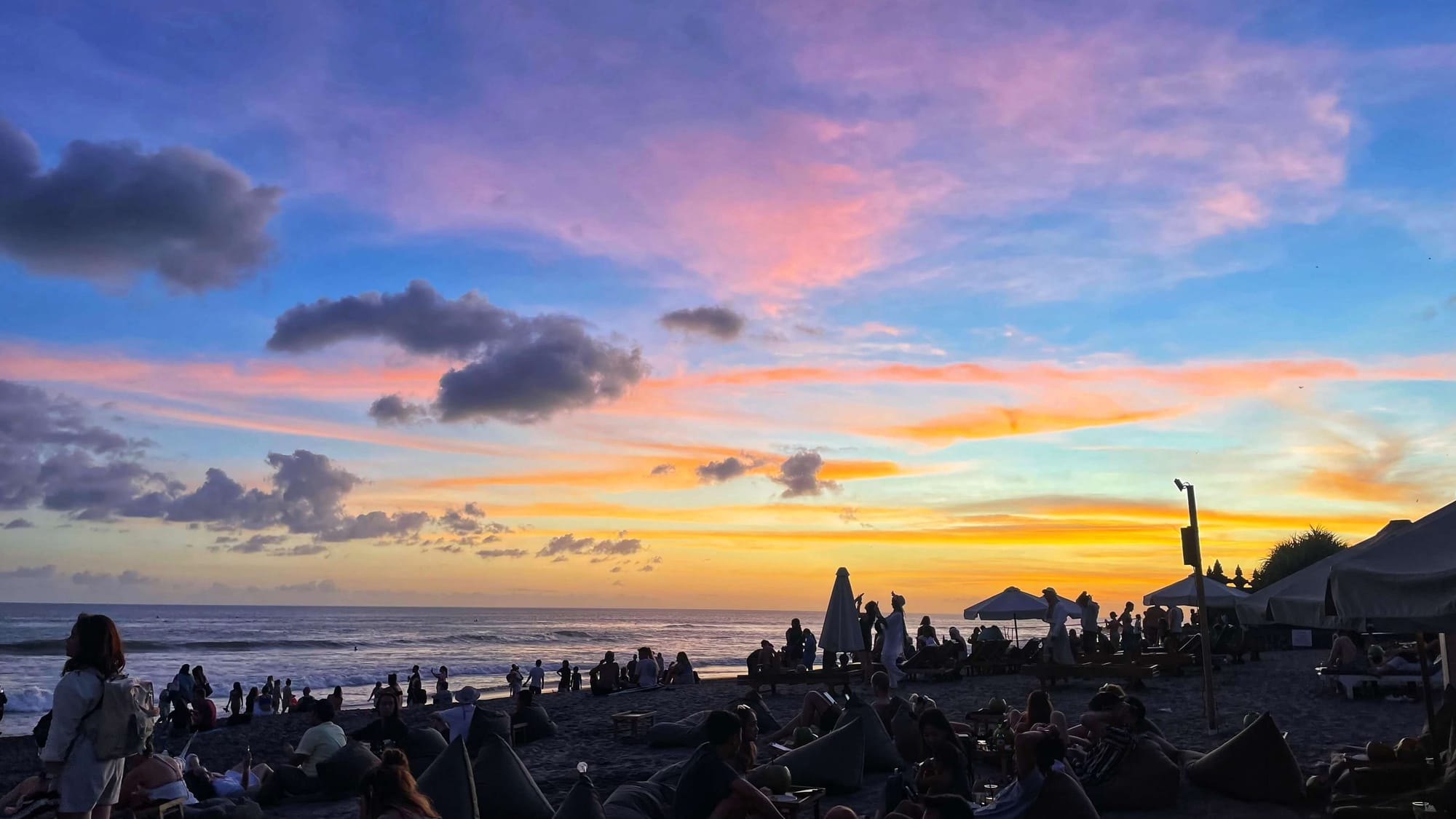
Top: Co-working from RITE Gym in Pererenan; Middle: BGS Coffee Canggu; Bottom: Sunset at Times Beach Warung in Canggu. | Click any image to view larger.
Beneath the performance of what Bali is – the Instagram photos and the tourism that seeks to extract rather than receive – is an island with a deep spiritual tradition, an appreciation for life itself, and a community of seekers who have followed an internal pull to a place that operates differently than the rest of the world.
I am one of many stories of people who came to Bali just to see what it was about, and then returned (or never left). I came back the second time not to write and not to be transformed, but because I had found a community that was working toward the same vision for life that I was. I felt like Bali would be a great place to "be" while navigating a transition in my life and my purpose, and it is.
The "Bali Bubble" effect is real, and it's not necessarily a bad thing. People will accuse you of not "living in the real world" but what is it about war, hustle culture and 24/7 politics that feels more "real" to you? Bali will change how you see life, if you let it.
I meant it when I said you're either going to love Bali or hate it. You'll be back many times, or never again. There truly is no in-between.