By the time I arrived in Switzerland, I was broke.
It was either genius or incredibly dumb to wrap up my 15-month adult gap year in the world's most expensive country. (Not an exaggeration.) To be fair, like much of my journey, my jaunt through Switzerland was not premeditated. But after I forked over a not-insignificant number of miles to fly from Bali to France for a meditation retreat and my friend's 40th birthday, I remembered the open invitation of a Swiss friend I made in Australia to come visit, and I decided to take her up on it.
I crossed over the border to Geneva by train, checked into a hostel, and walked to an Eritrean (think: Ethiopian food) restaurant in the neighborhood that had good reviews.
An Eritrean woman who said she owned the restaurant seated me, and I was pleased. Immigrant food is always affordable and delicious, I thought to myself.
It cost me 30 USD.
I knew I was done for.
I can count on one hand the number of times I went out to eat during the two and a half weeks I was in Switzerland. Mostly I made pasta in the hostels I stayed at, from ingredients with prices that would still make your eyes water.
One of the other times I did eat out, I splurged $10 on a real hot chocolate that was divine, after spending $65 on a meal that overwhelmed on price and underwhelmed on the palate.
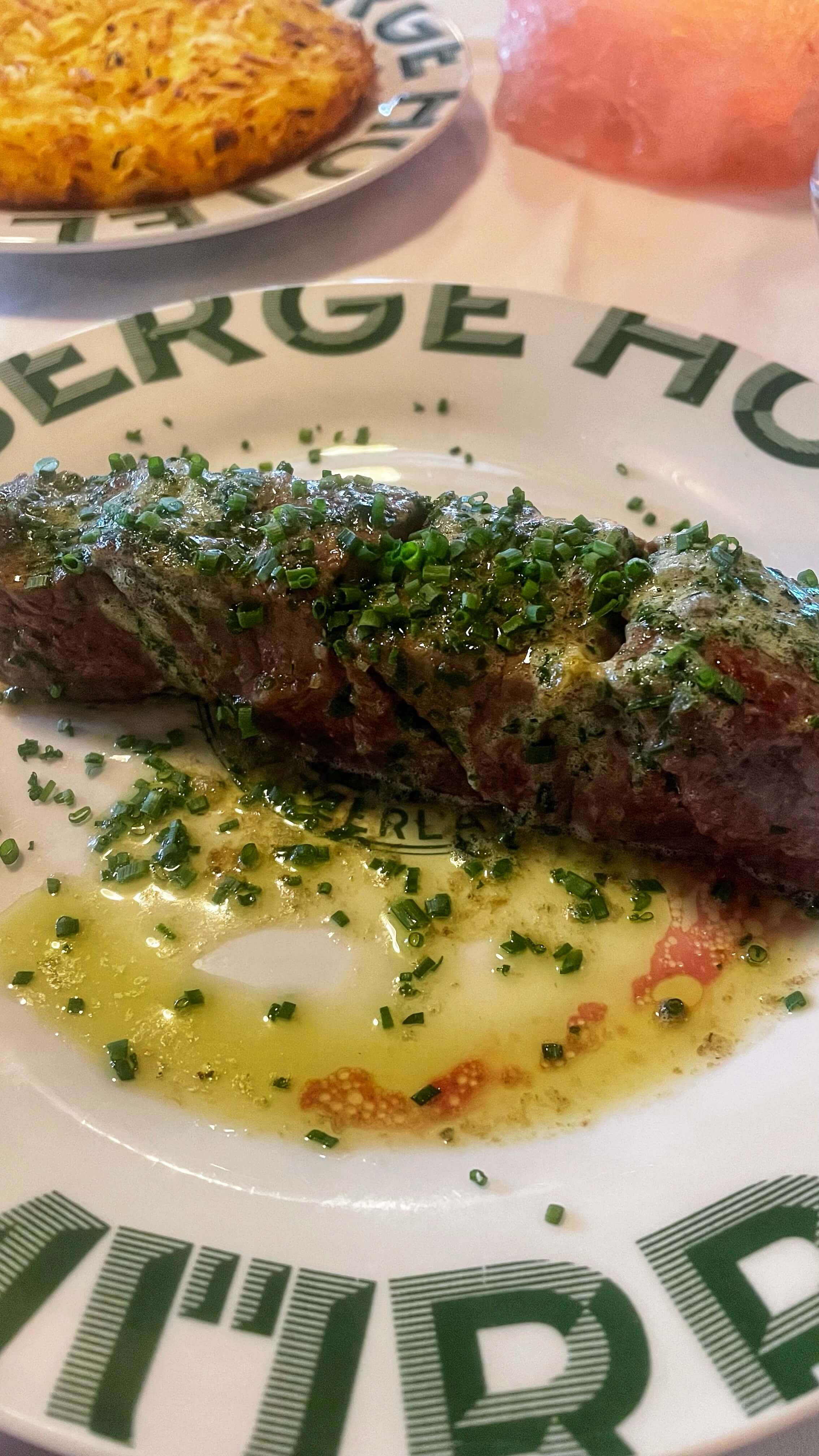
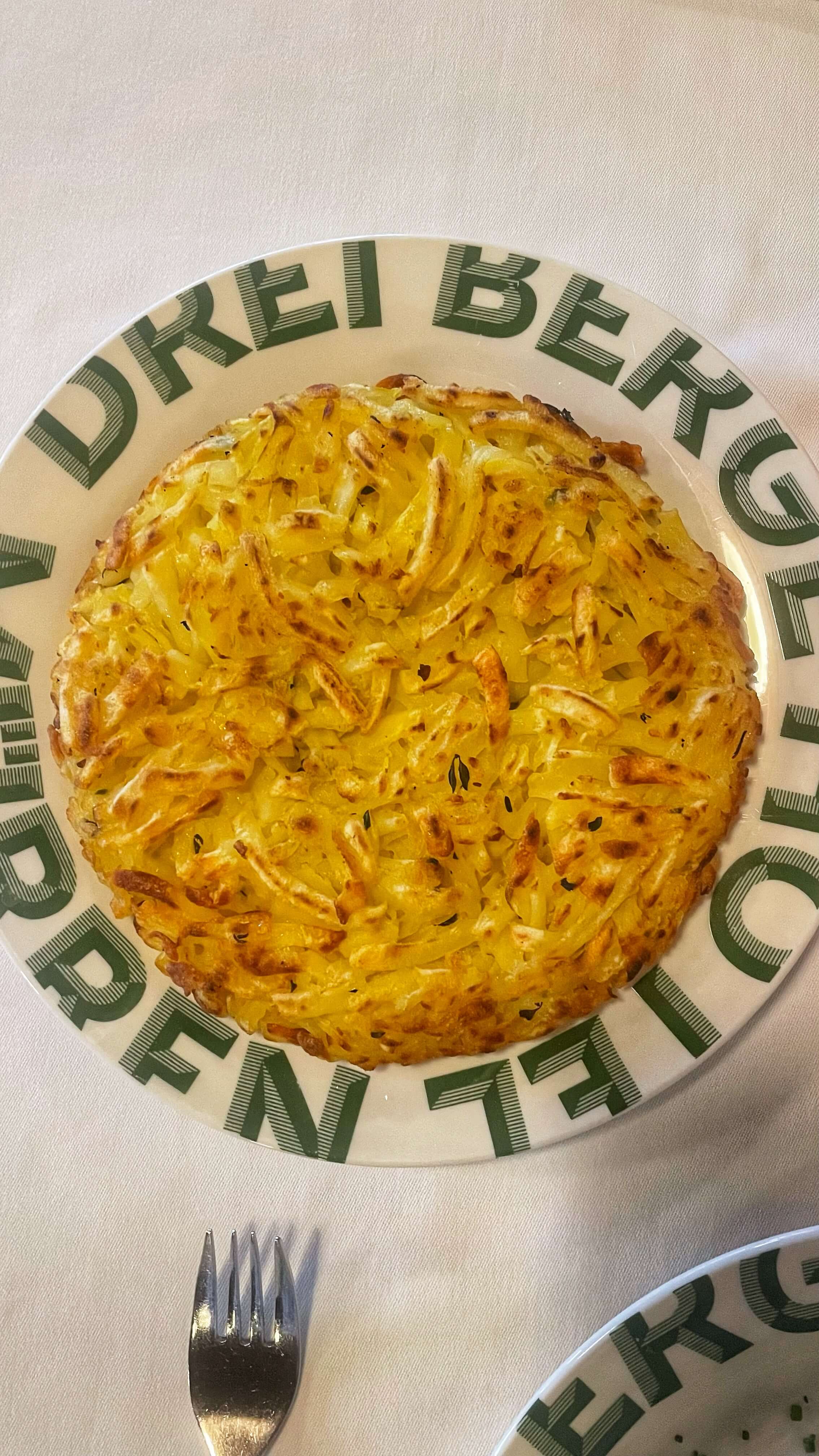
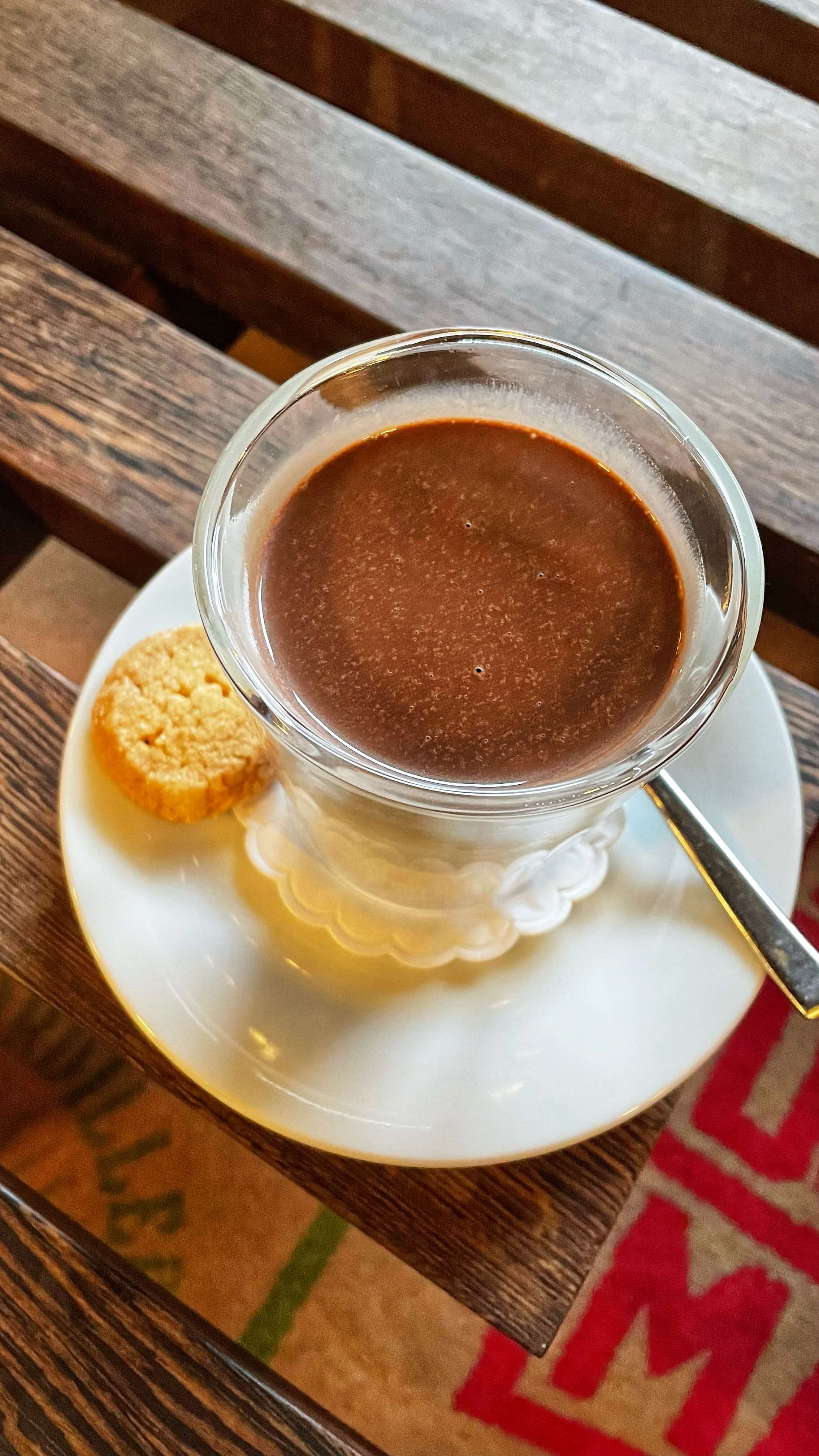
Swiss beef entrecote, potato rosti, and drinking chocolate. The food was good, but not memorable, except for the bill. The drinking chocolate was something to write home about, and I did, in fact, in my forthcoming memoir.
Even though I spent most of my days hiking (free), I took the train to get from town to town, which was considered public transportation, but felt luxurious – and was priced accordingly.
It was a relief when I finally made it to Zurich, where I at least had a free place to stay, even if every time I left the apartment, it made me question the adage that we usually assign to New York City:
"It'll cost you $50 just to leave the house."
Living and working in New York made me feel like I had Monopoly money. Traveling through Switzerland made me feel like I was endlessly being told, "Do not pass go. Do not collect $200."
In this final issue of 100 Dollars A Day, I'm getting honest about what budget travel cost me – and what I gained from it that money can't buy.
Because after all of the strategies I've detailed in this series – flights, points, insurance, packing lists, and more – you might think this series was about saving money, and it was, to an extent.
It was also about learning how to move through the world differently.
Traveling on $100 a day doesn’t just change what you spend. It reveals what you value — and who you are.