How do you plan your trips? How do you discover new destinations? How do you decide what to do while you're there?
Before the internet, most people would answer some combination of:
- word-of-mouth
- travel agencies
- guidebooks
- paper maps
You'd tell the agency to book flights and hotels where friends or family had a good time, maybe bring along a copy of the Michelin Guide or Lonely Planet to try a restaurant or visit a "hidden gem," and otherwise, wander and get lost and find your way back to your hotel by staring at tiny street names on an oversized piece of paper – and if you're lucky, get pointed in the right direction by a kind local who speaks your language.
Today, the list of how people plan vacations looks more like:
- travel blogs
- social media
- AI
- your favorite maps app
Travel blogs eclipse traditional media outlets on the search page for "Ten Places You Have to See in Tokyo," each blogger delivering variations of the same list, in the hopes that the algorithm gods will deem their take more "helpful" than the others and move them to first place. On social media, Instagram carousels and Tiktok videos deliver more of the same, just with more imagery. Savvy planners use AI to scrub all of it and serve up a summarized itinerary, customized to their liking. And when you get there, why wander to find a restaurant when you can cull Google Maps by price point and review rating to find something you're sure to love?
What is presented to us as a solution – a wealth of information that results in you getting a predictably pleasurable experience – is actually a problem. Paradoxically, the more data that is out there, the more the internet needs to sort it, moving us toward what is the most talked about, most highly rated experience. What the internet has actually done is limit, not broaden, the experiences we're having when we travel. We're spending hours of time online researching destinations and in the end, we're all taking versions of the same trip.
Travel blogs and AI produce the same itineraries. I put on my investigative reporter hat to figure out why — and how to plan trips that feel original again.
Sure, you can tell AI the dates, the number of days you have, your hotel quality preference, and categories of activities you enjoy – but you're not getting a unique experience. You're getting one of a handful of permutations of what it can generate based on the top results it sees online. You're setting filters on a search, not inspiring a computer to come up with something new.
Here's what I think this looks like in the future, if we continue down this trajectory: you put on a virtual reality headset, which delivers to you the experience of traveling to a place that fits your taste, all without ever having to leave the comfort of your home, and at the price of a movie ticket.
But hey – at least it's better for the environment.
Search – Not Social Media – Is What Changed Travel
Earlier this year I went on a deep dive into Google SEO after realizing that outside of social media, Adventure to Awaken was largely undiscoverable. And what I learned about how to optimize my blog to rank on the search engine results page did lead me to make some headline and summary changes to the archive, moving me from an average position of 23 to an average position of 11 in the last three months. It's not the first page, but it's something.
Unfortunately, I know what I likely have to do to get on that first page. And... I'm not going to do it, because it doesn't have your best interest in mind. It's a catch-22, really, optimizing for a reader who may never discover the site because I didn't optimize for an algorithm. But, it's also baked into the ethos through which I operate this site, and... I'll find another way.
What I learned in the process – and through a subsequent experiment I ran, which I document later in this post – made me realize that people are relying on the internet to plan travel, and the internet isn't designed to help them, it's designed to profit off of them.
Knowing what I know now about SEO and travel blogs has fundamentally changed the way I plan travel. And AI isn't any better.
I'm breaking down why, what I learned, and how I will travel differently.
Travel Blogs Serve One Purpose: To Make Money
Read enough travel blogs and you'll start to get how the game works.
→ Here's where I tell you about this super cool experience I had that you can only access through a tour – and here's a discount (affiliate link) to buy a tour that will take you there!
→ Here's where I plant the fear of God in you about what happened to me that one time that I got hurt while hiking in a third world country – and thank god I had the most expensive Cadillac plan offered through World Nomads Travel Insurance (insert affiliate link) to save me!
→ Here's where I give you three top-rated places to stay: luxury, midrange, and backpacker (affiliate link, affiliate link, affiliate link).
→ Here's where you should go after this, and here's where I recommend that you buy your bus ticket in advance, just in case they sell out. I'm not going to tell you that it costs twice as much to do it this way, they rarely sell out, and you could easily buy it once you get to the destination, because (affiliate link).
→ And have you considered how you'll stay connected to all the people worried about you at home!? Here's my E-SIM (affiliate link) which you absolutely need, and I'm not going to tell you that it's data only, you can't call anyone with it, nor will I tell you it's actually cheaper and very easy to buy a regular SIM at the airport when you arrive.
I could go on.
Travel blogs need to deliver whatever will get Google's algorithm to rank them higher so that they can bury all of these little sales links inside of each post.
The more people who visit their post and click the links, the more income they make.
The problem?
If you're using a travel blog to plan your trip, you're getting a very narrow view on the world.
You're getting the destination as approved of by Google, not the unique, complex place full of wonders to discover that it is.
I decided to run an experiment to compare one of my real, unplanned itineraries to the top-ranking blogs in search, and AI.
The Experiment
Using a common keyword with travel planning intent, plus a destination that I've backpacked through, I am going to compare my actual itinerary (which was not planned in advance, but rather, created on the fly, through word-of-mouth recommendations) to the Google Generative AI itinerary, and the top three results on the SERP, excluding sponsored results and discussion boards. I'll also run the same keyword and destination through ChatGPT, and I'll push it to try to come up with an itinerary that's more "me" by giving it some of my preferences.
My hypothesis is that I visited places that don't make it into any of these lists.
And if I'm right... well now you've got the word-of-mouth, under-the-radar places where to go. 😉
The Keyword
I haven't actually been to Tokyo, but I have been to Tanzania, and I've written extensively about it in Adventure to Awaken.
 Clara Ritger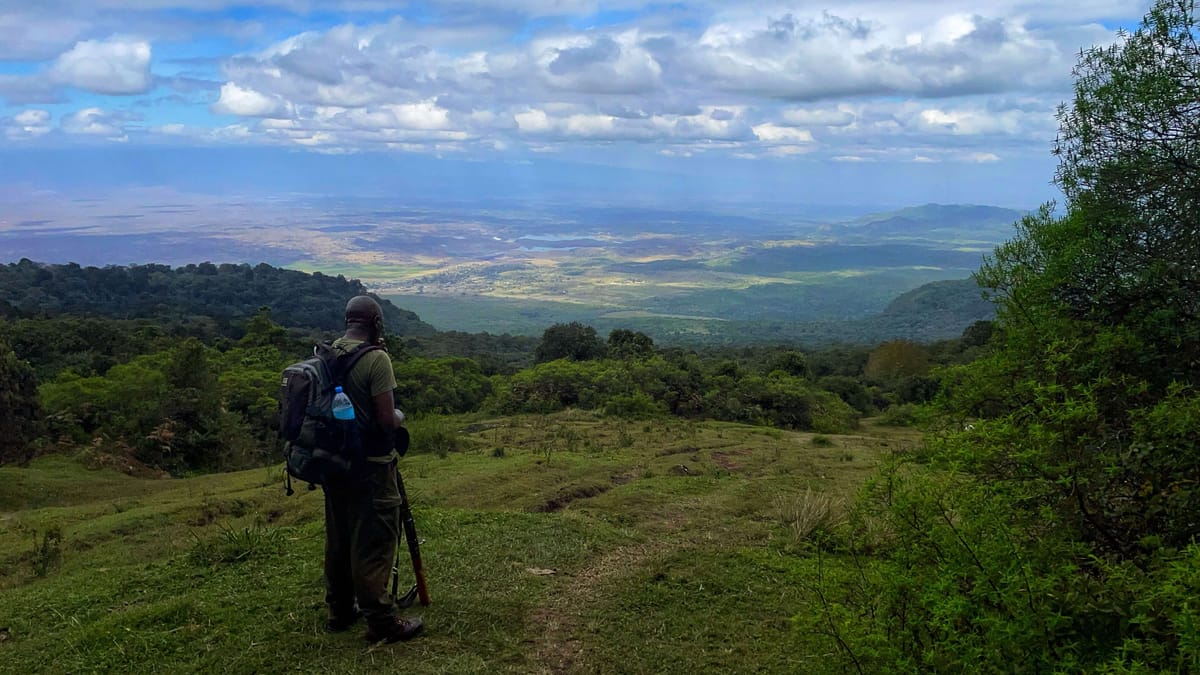
What I learned hiking Mount Meru, near Arusha, Tanzania.
 Clara Ritger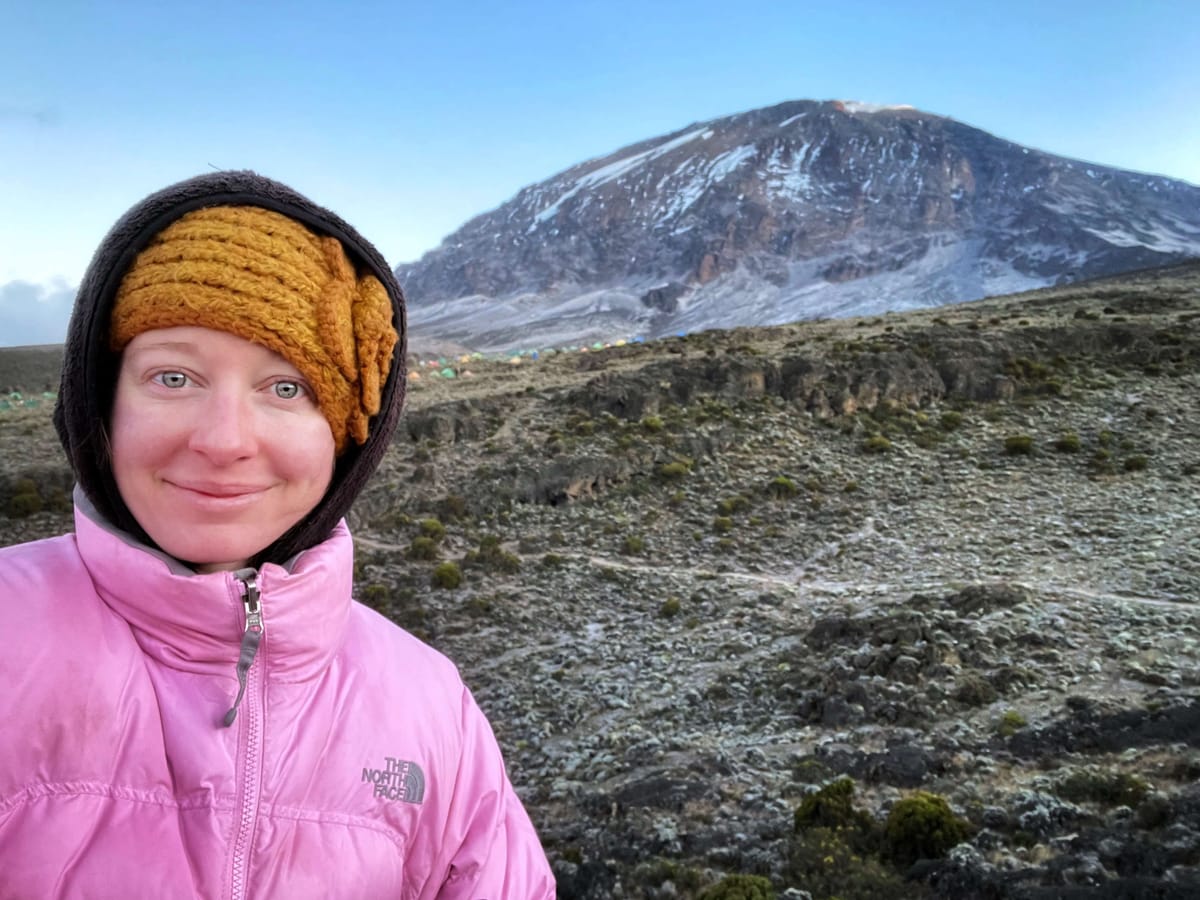
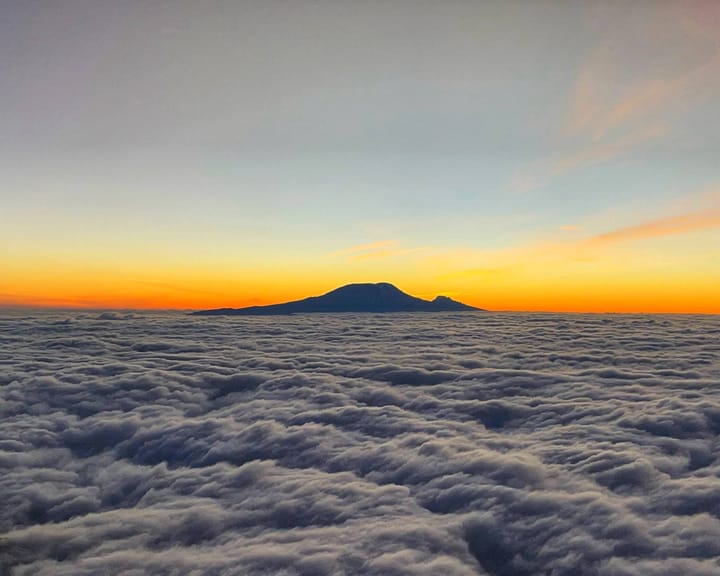
Hiking Mount Kilimanjaro was a meditative, heavenly experience for me.
 Clara Ritger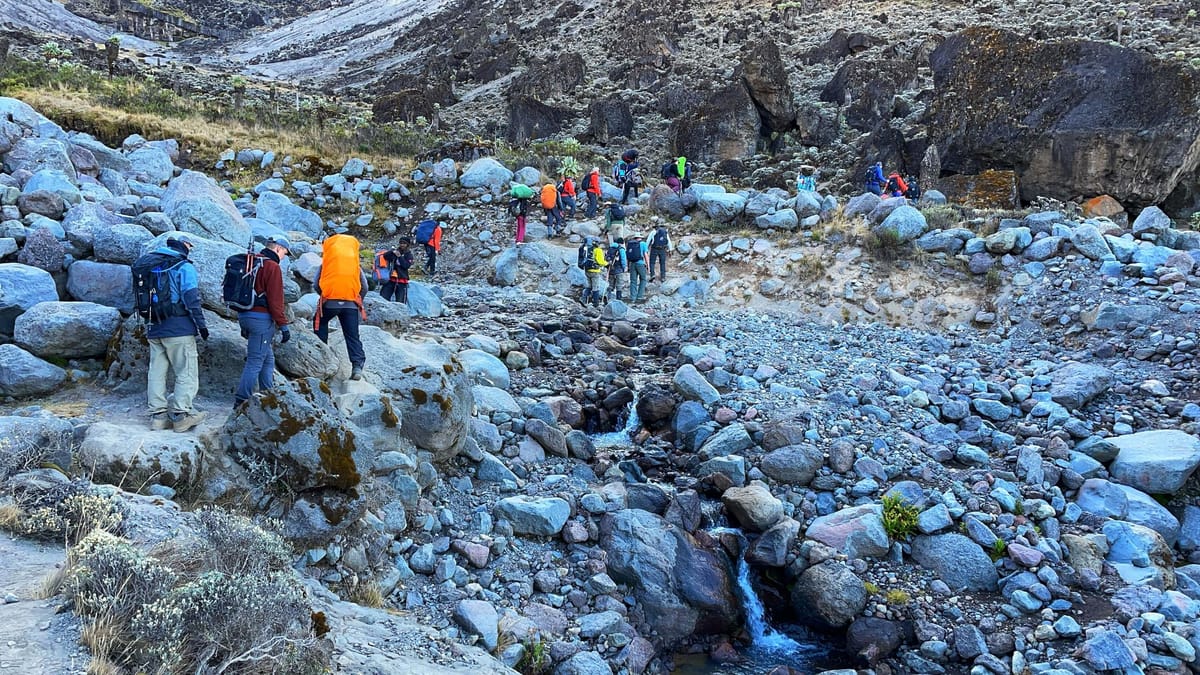
Interrupted, of course, by the babble and buffoonery of American hikers I heard along the journey up Kilimanjaro.
 Clara Ritger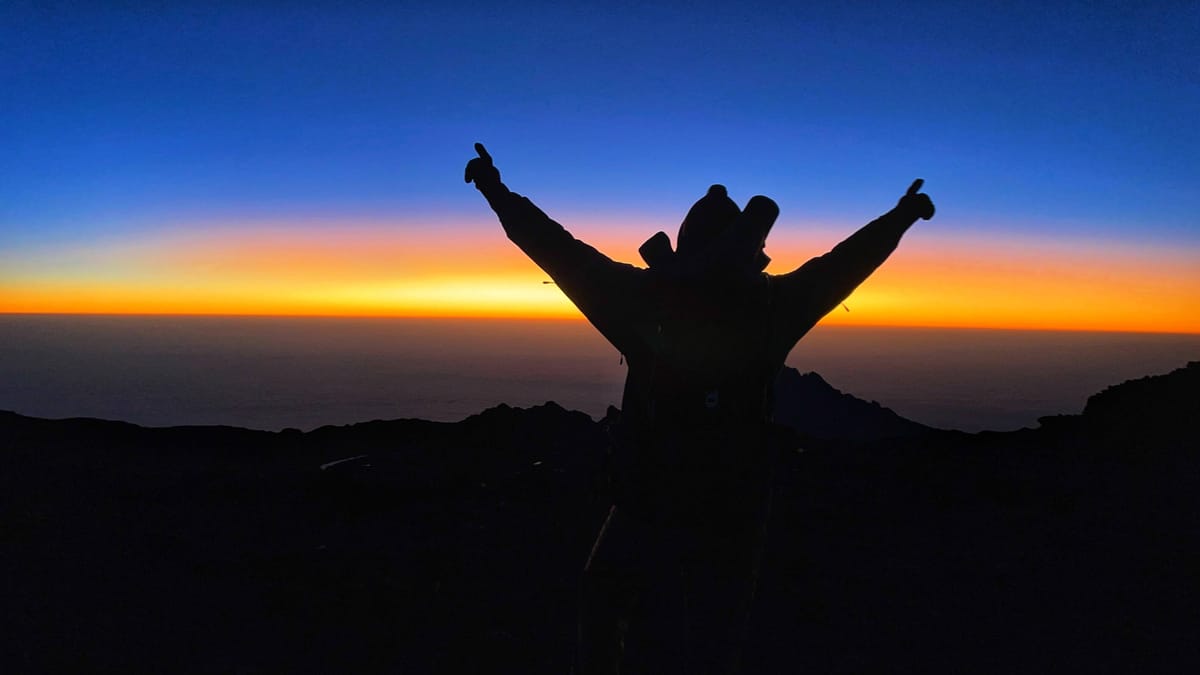
After a rocky start on Kilimanjaro, I learned the value of advocating for myself, and saw firsthand how it created a transformational trip for the group.
 Clara Ritger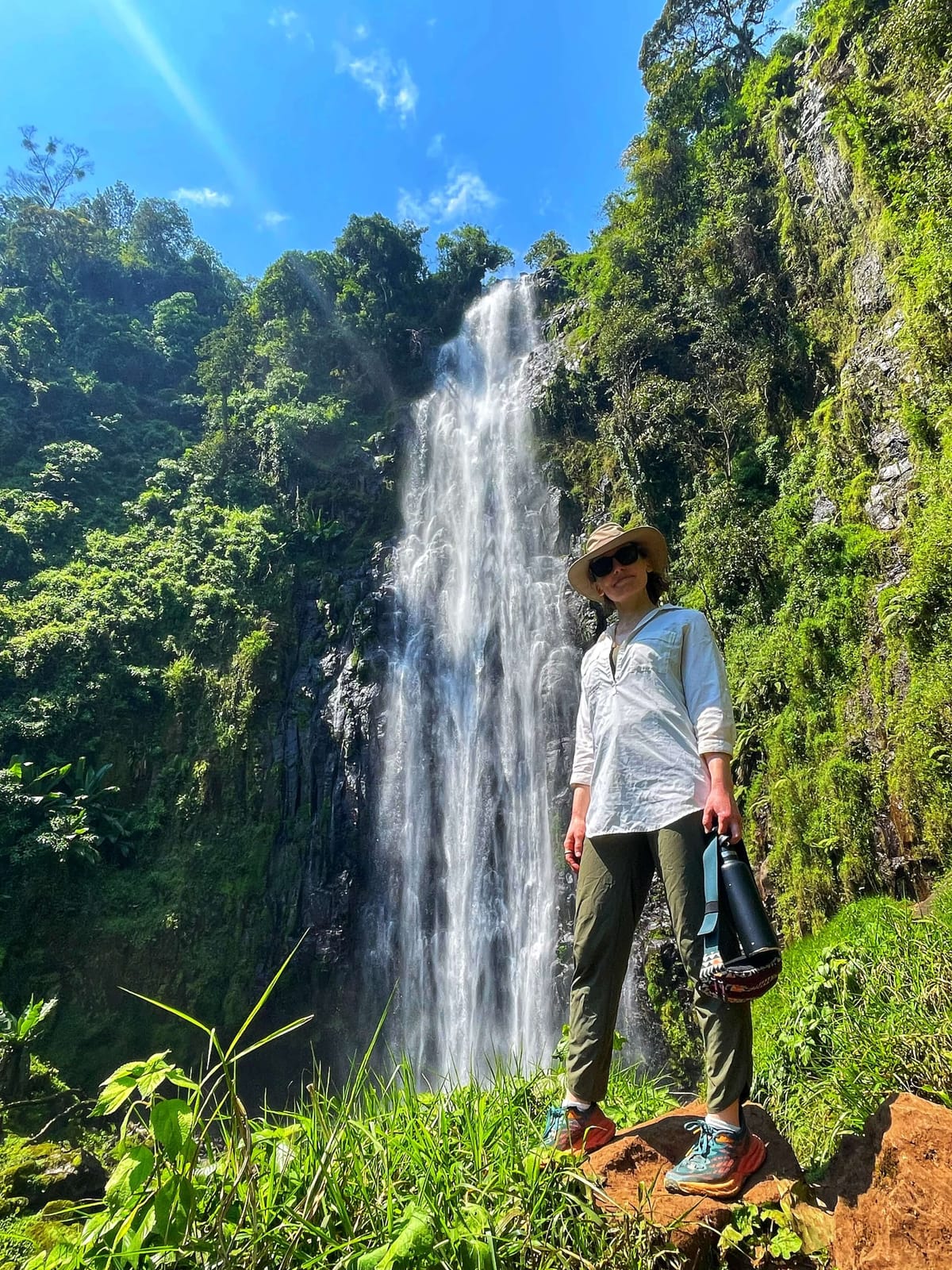
Before Kilimanjaro, I visited a waterfall outside Moshi, Tanzania. After, I went to Lushoto, a mountain village with views and a way of life I didn't want to leave.
 Clara Ritger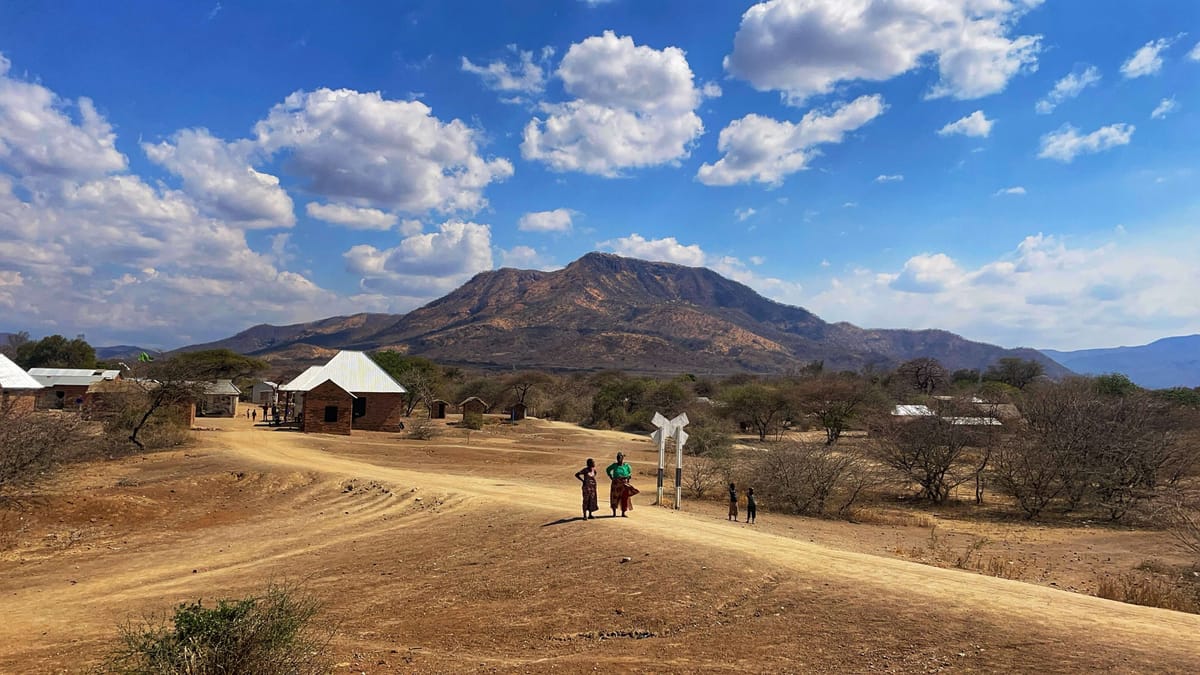
A reflection from my journey across Tanzania on the TAZARA train.
 Clara Ritger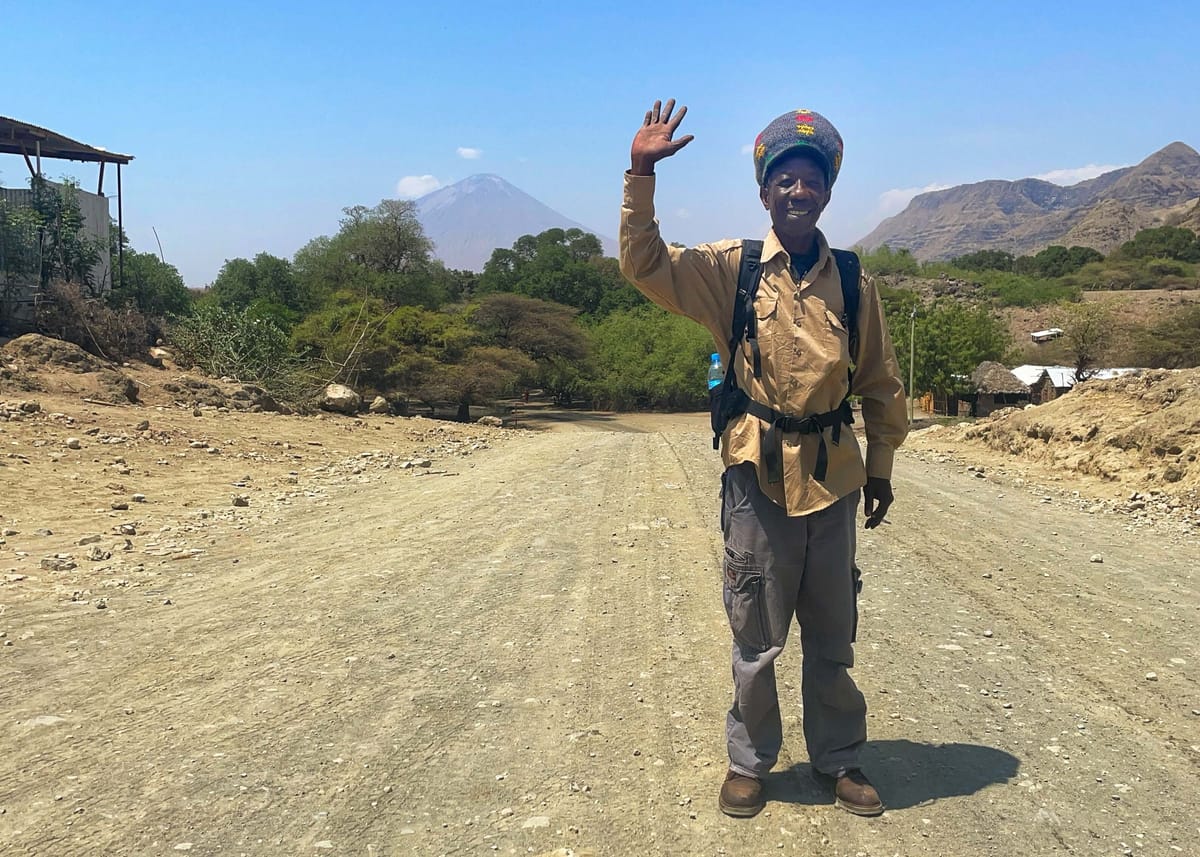
My guide to Lake Natron, Rasta Carlos, appears in the featured image, and other wonderful Tanzanians I met in Moshi are mentioned in the post.
So I'm using "two week tanzania trip" as my search term.
My Itinerary
I didn't share stories from every place I visited in Tanzania, in part because some of the places I went to I didn't enjoy as much. What I write in Adventure to Awaken comes from my journals, so it makes sense that if I didn't connect with a place, I wouldn't have much of a "transformational experience" to share. But I want to create a baseline for you to see how an "old school" style of travel compares with the internet way of travel. Because I was backpacking, I didn't have time to research the best Tanzania itinerary. What I did have was a WhatsApp group of backpackers doing the Cape to Cairo route, and word-of-mouth from people I was meeting in hostels. So here's the breakdown of my trip route in Tanzania: