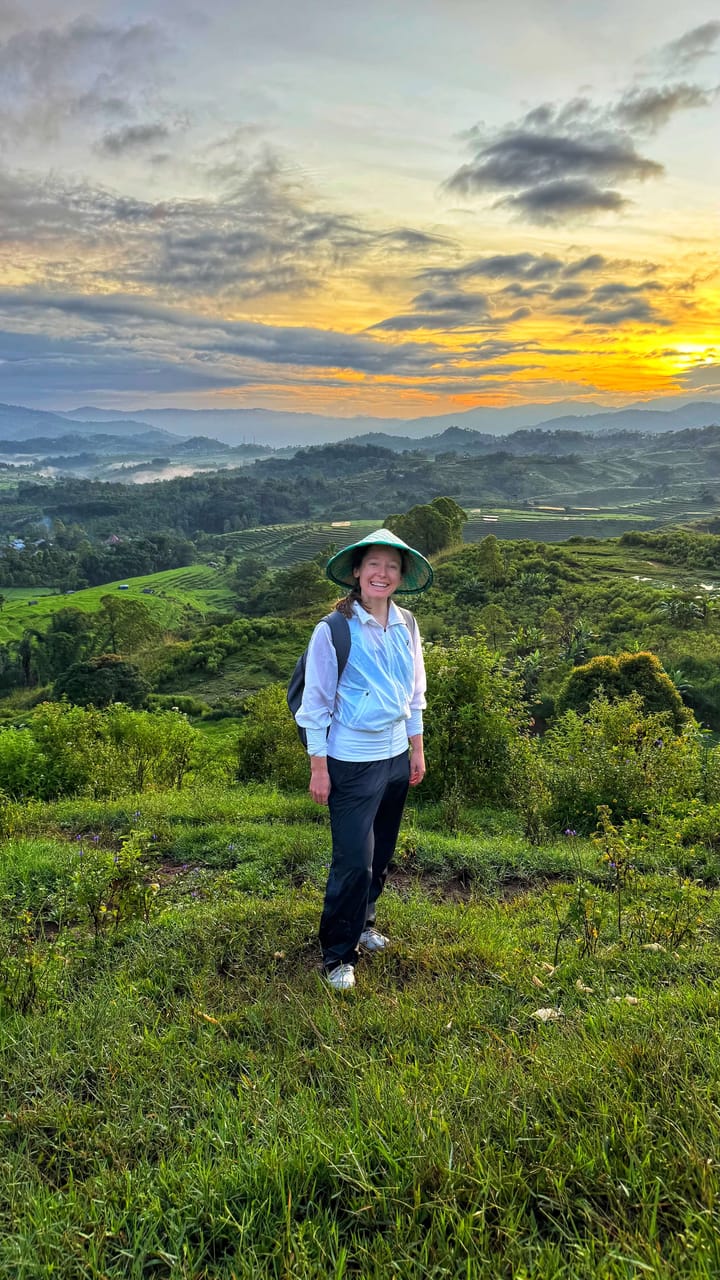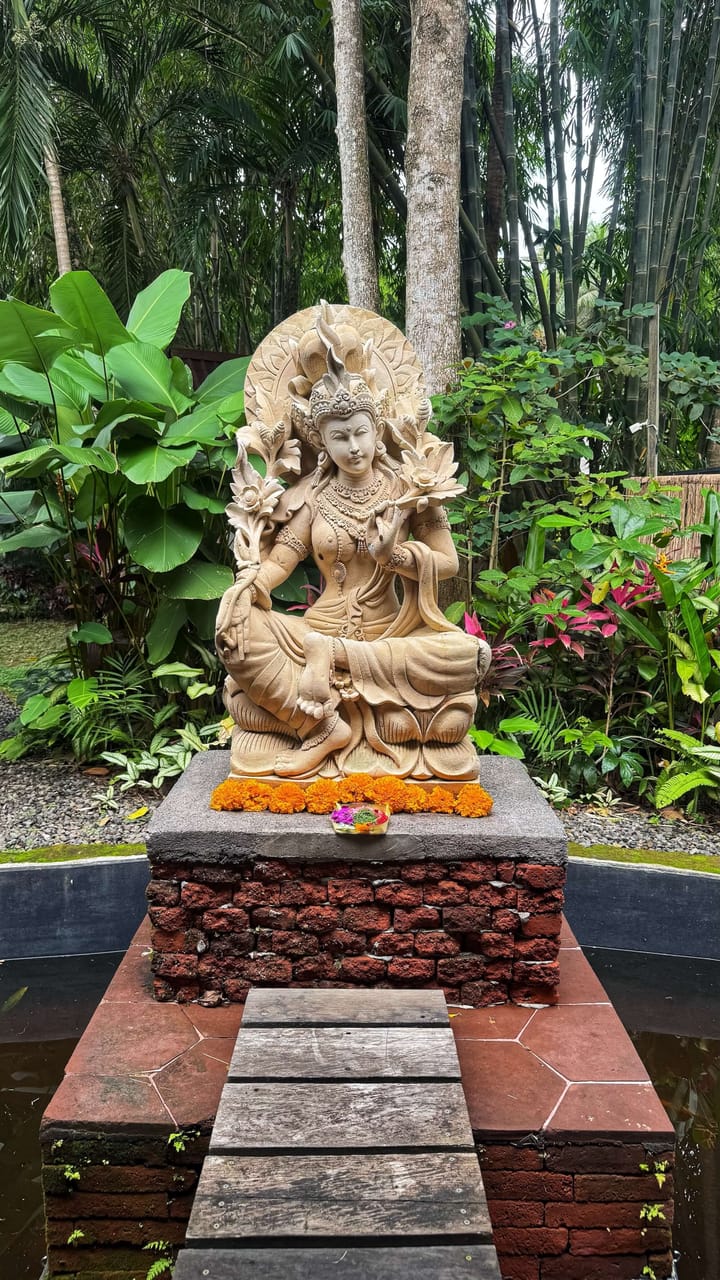
Most people arrive in Bali with the same picture in mind: jungle villas in Ubud, yoga classes, tantra, maybe a smoothie bowl, and definitely a coconut. Eat Pray Love.
But that's a very specific version of Bali. One that exists, sure, but has become more crowded and commercialized as more people have sought to repeat the experience of every tourist who came before.
Bali is more than healers in Ubud, influencers in Canggu, surfers in Uluwatu, and bogans in Kuta.
If you’re willing to go a little further, stay a little longer, and look in slightly different places, you’ll find something else entirely — quieter towns, cleaner air, and the slow pace of island life.
This guide is for that version of Bali.
After living in Bali on and off for two years, I’ve seen both versions of the island: the one people come looking for, and the one that actually exists now.
Bali has become one of those places where the Instagram picture doesn't always match the reality. Lately there's been a landfill crisis – and when the government ceases to operate the trash collection, people turn to burning it in the streets. This reality is a reflection of a broader infrastructure problem that the island is facing on the back of years spent racing to build accommodation and businesses to meet tourist, expat and immigrant demand – without anyone asking whether the land could sustain it.
I've had more than one friend tell me they were a little disappointed by the commercialism – not to mention the traffic – of Bali. Every waterfall has a collection gate, ostensibly to support the locals in caring for the land, but you'll pass litter along the trail anyway. People come to Bali searching for the same photo opportunities that they saw on social media, and when faced with limited time, it's hard to pass up the popular rice fields, waterfalls, and temples that have 24,791 reviews on Google Maps – even if it means queuing up and creatively cropping the unsightly bits.
Over-tourism isn't helping the island, but it also isn't helping you.
I've been to all the main tourist spots. I've also been to places off-the-beaten path that I discovered, or heard of through other people who have lived in Bali long term. And I can say one thing with certainty:
An authentic Bali vacation is no longer found in Ubud, but rather, in the places where authenticity hasn't yet been fully exploited.
If you’re planning a trip to Bali and want something you won’t find on every other blog, start here. Here's my recommendations for where to go, where to eat, and what to do.
I'll even throw in a few favorite "if you know you know" recommendations from the main expat areas, plus an ordered itinerary to tie it all together, in case you want to include some time in the tourist spots too.
When To Go
Bali has two seasons: dry season and rainy season. I highly recommend that you go during dry season. April - October is a safe window.
Accommodation
I'm not including recommendations for where to stay, because I have only stayed in a handful of places, many of which are designed more for long-term living than a few nights. (I typically rent month-to-month rooms in guesthouses.)
When I go to a different part of Bali than where I'm living and book a few nights, I use Booking.com (affiliate link). I genuinely recommend that you do this. Here's the step by step that I do:
- Set dates and village and search
- Adjust price parameters and filter for review scores of 8+ and including AC (if that's important to you)
- For each listing whose pictures you like, skim the reviews for any red flags about:
- Cleanliness
- Mold
- Noise complaints (street or construction)
- WiFi strength and reliability
Then... pick something. Depending on the part of Bali you're in, they'll include breakfast, and often it's actually quite good, like omelete with veggies, fruits, toast, juice, coffee. But don't worry too much about that. Bali's restaurant scene is standout and in most places, you're going to have more 5-star cafes than you have time to try them.
 Clara Ritger
If you are looking for more Bali recommendations on booking accommodation, how to get around, money, SIM cards, visas and more, check out this post.
Transportation
I also want to include a note on transportation. Bali is a lot easier to get around if you can drive a scooter, because once you get out of the tourist hotspots, Grab and Gojek (ride-sharing apps which include rides on the back of a scooter!) don't really exist.
But if you need a driver, the local Balinese man who I rent my scooter from is also a driver and is in the process of creating a tour company. Mention my name and he'll give you great rates for airport pickup/dropoff, scooter rental, and daily driving fees to take you all around Bali. He'll probably even have some places to add to this list of recommendations, but make sure he knows you want "off-the-beaten-path" or you might wind up with him taking you to the regular tourist temples.
Here's his number: